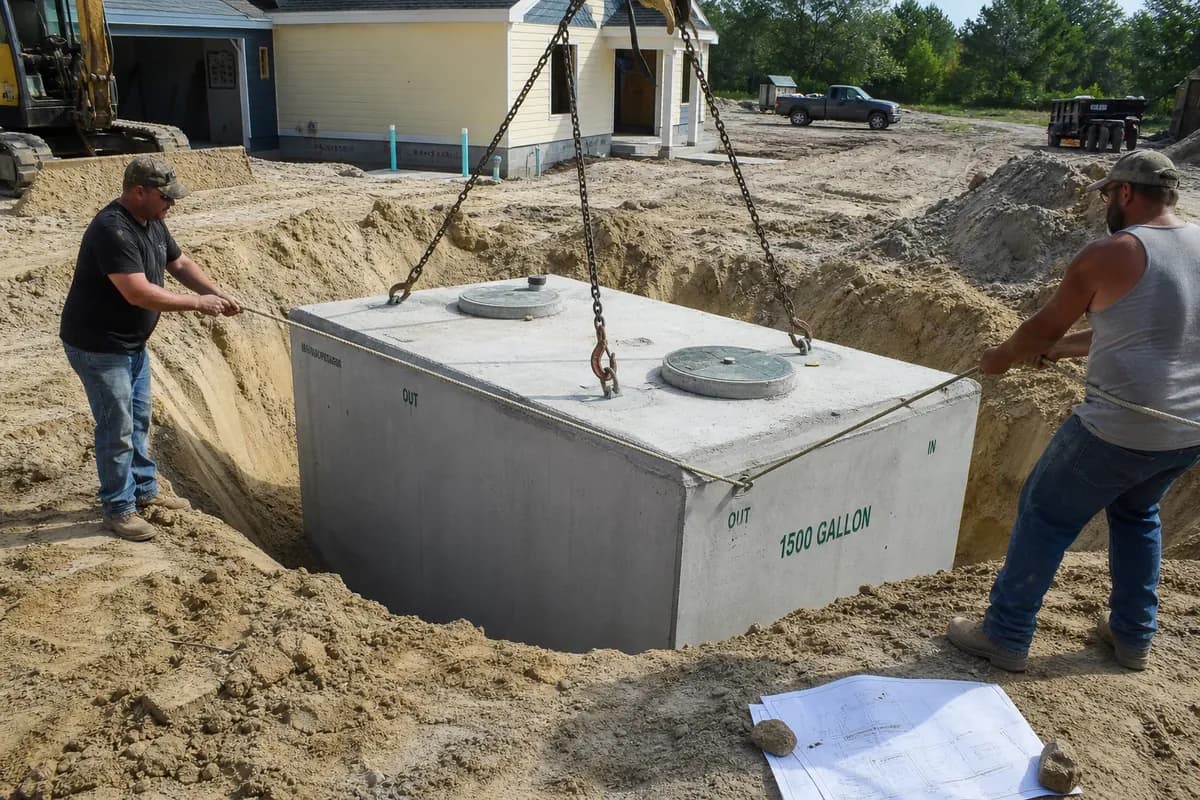
Choosing the correct septic tank size is the single most important decision you will make during the installation of a new system, and getting it wrong in either direction carries serious consequences. An undersized tank cannot hold wastewater long enough for solids to settle properly, which pushes undigested material into the drain field where it accelerates biomat buildup and shortens the functional life of the entire system by years or decades. An oversized tank, by contrast, represents a modest upfront investment that pays compounding returns in system longevity, fewer service calls, and cleaner effluent reaching your drain field. This guide covers every factor that determines the right size for your property, from bedroom count formulas to state minimums, water usage patterns, and material choices between concrete and plastic.
Homeowners Are Ditching Pumping Trucks After Seeing This
Watch this short video to discover the unusual method homeowners are using to dissolve solid waste, destroy foul odors, and keep drain fields flowing freely. No harsh chemicals. No service calls. It takes seconds and works while you sleep.
Watch the Free Video NowThe Direct Answer: 1000 Gallons for a 3 Bedroom Home
If you are looking for a quick answer before diving into the details, the most common septic tank size for a 3 bedroom home is 1000 gallons. This is the baseline that most state health departments recognize as the minimum capacity for a home with up to three bedrooms, and it accommodates the daily wastewater output of a typical family of four with room for variation. A 1000 gallon tank holds approximately two days worth of wastewater from an average household, which provides sufficient retention time for solids to settle and anaerobic bacteria to begin the digestion process before effluent flows to the drain field.
The 1000 gallon standard emerges from a straightforward calculation: most jurisdictions estimate daily wastewater production at 150 gallons per bedroom, multiplied by the number of bedrooms, with a minimum retention time of two days built into the sizing formula. For a 3 bedroom home, that calculation yields 450 gallons per day times 2 days, which equals 900 gallons, rounded up to the nearest standard tank size of 1000 gallons. This baseline serves as a reliable starting point, but it is not a universal guarantee, because local codes, soil absorption rates, water table conditions, and household-specific factors can require larger capacities. Our dedicated tank sizing page provides the full chart for homes from 1 bedroom through 6 bedrooms or more.
The Bedroom Count Sizing Formula: How the Math Works
The bedroom count formula is the primary method that septic designers, health department officials, and installation professionals use to determine minimum tank capacity, and understanding this formula empowers you to verify that any proposal you receive is appropriately sized. The formula works as follows: multiply the number of bedrooms in the home by 150 gallons to estimate daily wastewater flow, then multiply that result by 2 to establish the minimum retention time in days, then round up to the nearest standard tank size.
For a 1 bedroom home, the calculation is 150 gallons times 1 bedroom times 2 days, yielding 300 gallons, which rounds up to a minimum 500 gallon tank. Many jurisdictions require a minimum of 1000 gallons regardless of bedroom count, so a 1 or 2 bedroom home on a code-enforced lot may still require a 1000 gallon tank. For a 2 bedroom home, the calculation produces 150 times 2 times 2, which equals 600 gallons, and the standard minimum is typically a 1000 gallon tank. For a 3 bedroom home, the calculation is 150 times 3 times 2, yielding 900 gallons, and the minimum is a 1000 gallon tank. For a 4 bedroom home, 150 times 4 times 2 equals 1200 gallons, requiring a 1200 gallon tank. A 5 bedroom home produces 150 times 5 times 2, which equals 1500 gallons, requiring a 1500 gallon tank or a dual-tank system.
The bedroom count formula is not a prediction of how many people will actually live in the home. It is a proxy for hydraulic load that assumes each bedroom could theoretically accommodate two occupants. A 3 bedroom home used by a single person or a couple still needs a 1000 gallon tank because the sizing standard is based on the fixture count and potential occupancy that the bedroom count represents. This is also why a home with an office, a guest room, or a den that could be used as a bedroom may be subject to the same sizing requirements as a home with more formal sleeping rooms. Our septic system components guide explains how the tank fits within the overall system architecture and why each component is sized relative to the others.
State Minimum Requirements: Why Geography Changes the Answer
While the 1000 gallon figure for a 3 bedroom home is widely recognized, state and local minimum requirements differ significantly across the United States, and what is legally required in one county may not meet code in the neighboring county across a state line. Most state health departments or environmental agencies publish minimum septic tank sizing tables that follow the bedroom formula, but then add local amendments based on soil conditions, climate, water table levels, and the proximity of the property to sensitive water bodies such as rivers, lakes, or coastal areas.
States with challenging soil conditions or high rainfall tend to impose more conservative sizing requirements. Florida, for example, has some of the strictest septic regulations in the country due to its high water table, sandy soils, and extensive coastline that is vulnerable to groundwater contamination. Many Florida counties require larger tanks and more elaborate drain field systems than the baseline formula suggests. Oregon and Washington have similarly stringent requirements driven by the need to protect sensitive salmon habitat and drinking water sources. Northern states with cold climates may require larger tanks because bacterial digestion slows significantly in colder soil temperatures, reducing the treatment efficiency within the tank before effluent reaches the drain field.
The practical implication is that you must verify the specific requirements for your jurisdiction rather than relying on general guidelines alone. Your county health department or local permitting authority is the authoritative source for minimum tank size requirements in your area. The permit application process will require a site evaluation that includes a percolation test to measure your soil absorption rate, which may result in a larger required drain field and correspondingly larger tank. Budgeting for this professional assessment before purchasing a tank prevents the disappointment and expense of buying a unit that does not meet code.
Household Size and Water Usage: Factors Beyond the Bedroom Count
The bedroom count formula produces a baseline minimum, but the actual daily wastewater volume your system handles depends on how many people live in the home, their daily habits, and the water efficiency of the fixtures and appliances in use. A family of six in a 3 bedroom home produces significantly more wastewater than a retired couple in the same home, and this difference accumulates over every day of system operation.
Water usage habits that increase hydraulic load include taking long showers, running multiple loads of laundry per day, using a dishwasher frequently, and allowing water to run while performing tasks such as dishwashing or teeth brushing. Each gallon of water that enters the home through these activities must eventually be treated and absorbed by the drain field. High-efficiency fixtures such as low-flow showerheads, high-efficiency washing machines, and dual-flush toilets reduce daily flow and can extend the life of your drain field by keeping hydraulic loading within the designed capacity of the system.
The number of full-time residents versus occasional visitors also matters. A home that regularly hosts extended family visits, short-term rentals, or seasonal occupants experiences hydraulic peaks that the baseline sizing may not accommodate. If your home falls into any of these categories, it is worth discussing a tank one size larger than the minimum formula suggests with your septic professional. The additional cost is modest compared to the expense of addressing drain field overload caused by consistent hydraulic overages.
The Garbage Disposal Factor: How It Changes the Sizing Equation
Adding a garbage disposal to a kitchen that is served by a septic system is one of the most significant decisions a homeowner can make regarding system sizing, because garbage disposals fundamentally change the composition and volume of material entering the tank. Without a garbage disposal, most food waste is captured in sink strainers and disposed of through the trash, and only biodegradable waste that enters the drain through dishwashing, cooking cleanup, and similar activities reaches the septic system. With a garbage disposal, virtually all food waste is ground into fine particles and flushed into the tank, where it contributes to both the solid load and the hydraulic load.
The fine particles produced by garbage disposals do not settle in the tank the way larger food particles do. They remain suspended in the effluent and are carried through the outlet baffle to the drain field, where they contribute to biomat accumulation and accelerate the clogging of soil pores. Research and field experience indicate that homes with garbage disposals require pumping approximately twice as often as homes without them, and drain field lifespan is measurably shorter in homes that use garbage disposals heavily.
If your home has a garbage disposal and you are installing a new septic system or replacing an existing tank, it is strongly advisable to size the tank at least one size larger than the bedroom formula indicates. A 3 bedroom home with a garbage disposal should typically have a 1200 gallon tank rather than the minimum 1000 gallon unit. This additional capacity provides greater retention time, allowing more of the fine suspended particles to settle before effluent exits to the drain field. Some professionals recommend a 250 gallon increment above the minimum for any home with a garbage disposal. Our installation overview covers additional factors that professionals consider when designing a complete system.
Concrete Tanks Versus Plastic Tanks: Material Matters for Sizing
The material from which your septic tank is constructed does not change the required gallon capacity, but it does affect the available sizes, the installation requirements, the long-term durability of the tank itself, and the overall system performance over decades of use. Understanding the differences between concrete and plastic tanks helps you make an informed decision that complements your sizing choice.
Concrete tanks are the traditional choice and remain the most common installation across most of the United States. They are manufactured by pouring concrete into forms and allowing it to cure, resulting in a heavy, rigid structure that resists buoyancy, withstands soil pressure, and has a typical lifespan of 40 years or more with proper maintenance. Concrete is impervious to damage from sharp objects, heavy loads on the surface above the tank, and the normal wear and tear of burial in corrosive soil. The weight of a concrete tank also provides stability in areas with high water tables, where a lighter tank might float if emptied during a period of high groundwater.
Plastic tanks, also called polyethylene tanks or fiberglass tanks, are lighter weight and easier to transport and install, which can reduce overall installation costs in areas where access for heavy equipment is limited. Modern plastic tanks are corrosion-resistant and are not affected by the electrochemical reactions that can degrade concrete in acidic soils. However, plastic tanks are more susceptible to buoyancy issues when emptied in high water table conditions, and they may be more vulnerable to damage from heavy surface loads or root intrusion over very long time periods. The lifespan of a plastic tank is typically 30 to 40 years, somewhat shorter than concrete.
The choice between concrete and plastic often comes down to site conditions and local code requirements. In areas with high water tables, rocky terrain that limits excavation, or stringent weight restrictions for installation equipment, plastic tanks may be the better choice despite their shorter lifespan. In typical residential settings with moderate water tables and standard soil conditions, concrete remains the preferred material for its durability and long-term reliability. Discuss the material options with your installer in the context of your specific site evaluation results.
Why Oversizing Is Better Than Undersizing: The Long-Term View
The case for oversizing a septic tank rests on a simple cost-benefit comparison: the incremental cost of purchasing the next size up during installation is a few hundred dollars, while the cost of replacing a failed drain field is measured in tens of thousands of dollars. This economic argument is compelling on its own, but it is reinforced by the biological and hydraulic realities of how septic systems function over time.
A larger tank provides longer retention time, which is the period that wastewater sits in the tank before the effluent flows to the drain field. The longer wastewater remains in the tank, the more completely solids settle to the bottom as sludge, the more fats and oils float to the top as scum, and the more time anaerobic bacteria have to digest organic material and reduce the solid load that exits through the outlet baffle. Cleaner effluent places less stress on the drain field, which is the most expensive and least replaceable component of the entire septic system. A drain field that receives well-treated effluent from an appropriately sized tank can function for 30 years or more, while a drain field that receives poorly treated effluent from an undersized tank may fail within 10 to 15 years.
Oversizing also provides a buffer for unexpected increases in hydraulic load. Households grow, children become teenagers who take longer showers, aging parents may move in, and short-term rental income may introduce guests whose water habits are unknown. An oversized tank accommodates these variations without stress, while an undersized tank reacts to every overload by pushing solids toward the drain field and reducing treatment efficiency. The cost of a 1200 gallon tank versus a 1000 gallon tank at installation is typically $200 to $400. The cost of drain field replacement due to premature failure is typically $15,000 to $40,000 depending on the property and soil conditions.
Finally, pumping frequency is directly related to tank size and usage. A larger tank does not need to be pumped more frequently; in fact, the opposite is true. The larger volume spreads the accumulated solids across a greater depth, so it takes longer for the sludge layer to reach a depth that warrants pumping. Homeowners with oversized tanks typically pump every 3 to 5 years under normal usage, while homeowners with undersized tanks may find themselves scheduling pumping every 1 to 2 years to prevent overflow and drain field damage.
Professional Assessment Recommendation: When to Call an Expert
While the guidelines in this article provide a solid foundation for understanding septic tank sizing, every property has unique characteristics that require professional evaluation before finalizing tank capacity. A licensed septic installer, certified inspector, or professional engineer who specializes in onsite wastewater systems can assess your specific site conditions and provide a recommendation that accounts for variables that the bedroom count formula alone cannot address.
A professional site evaluation includes a percolation test that measures how quickly water absorbs into your soil, which directly determines the required size and layout of your drain field and indirectly influences tank sizing. The evaluator also examines the water table depth, which affects whether certain tank materials or designs are appropriate and whether additional engineering such as mounded drain fields or pump chambers are needed. Soil composition analysis determines whether your site has adequate treatment capacity in the native soil or requires amended drain field media to achieve sufficient treatment before water reaches groundwater.
Professional assessment is especially important if your property has any of the following conditions: slopes that make gravity flow challenging, high groundwater that could flood the drain field, slowly percolating clay soils, proximity to wells or surface water bodies, or a history of septic system failures in the area. In these situations, the professional may recommend a larger tank, a different drain field design, additional treatment components such as aerobic treatment units, or engineered solutions that depart significantly from the baseline formula. The cost of a professional site evaluation, typically $500 to $1,500, is a sound investment that prevents costly mistakes in a system that you will rely on for decades.
Choosing a qualified professional for your site evaluation and installation is as important as getting the sizing right. Look for contractors who are licensed in your state, carry adequate liability insurance, have verifiable references from recent installations in your area, and are willing to explain their sizing rationale in detail. Be wary of any proposal that offers a tank size smaller than the bedroom formula without a written engineering justification. Our blog archive contains additional resources on choosing contractors, understanding permits, and maintaining your system after installation.
Related Articles
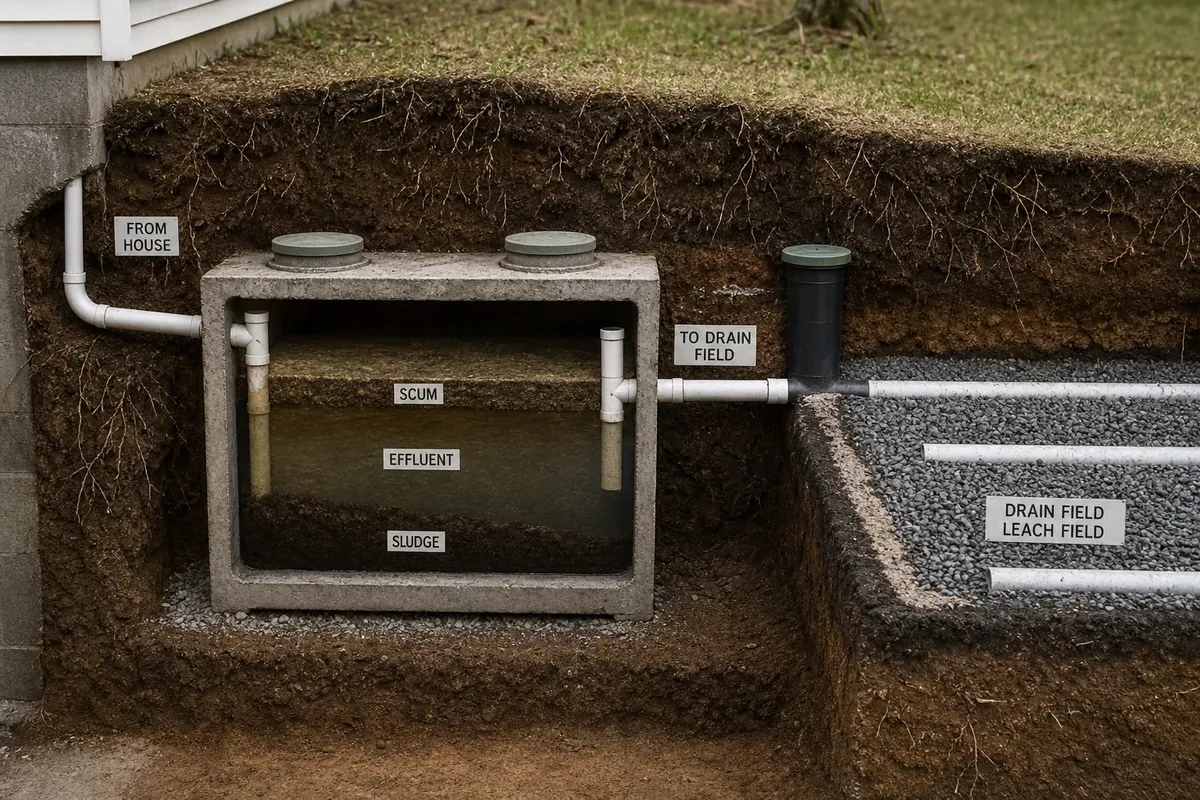
How Does a Septic Tank Work: The Complete Breakdown
A septic tank uses gravity and bacteria to separate solids, treat wastewater, and distribute effluent to your drain field.

How Often Should You Empty a Septic Tank: The Real Answer
The pumping frequency your septic tank needs depends on household size, tank capacity, water usage, and whether you have a garbage disposal.
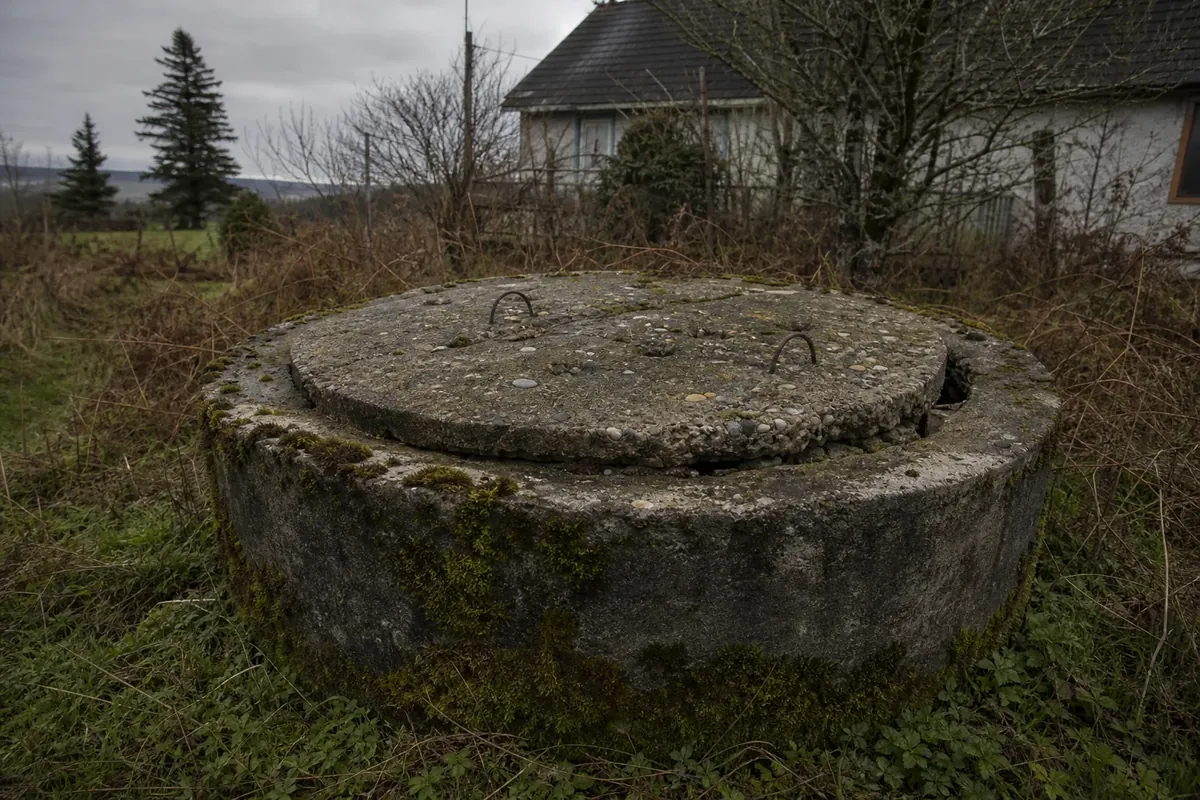
How Long Do Septic Tanks Last: Realistic Lifespan Expectations
Concrete tanks last 30 to 40 years, plastic tanks 20 to 30 years, and steel tanks 15 to 20 years.
External Resources
Frequently Asked Questions
What size septic tank do I need for a 3 bedroom house?
A standard 3 bedroom house typically requires a minimum 1,000 gallon septic tank. This is based on the formula of 150 gallons per bedroom per day multiplied by 2 days of retention, yielding 900 gallons, which is rounded up to the nearest standard size. Some jurisdictions require 1,200 or 1,250 gallons for 3 bedroom homes, so always check your local code requirements.
How do I calculate the right septic tank size for my home?
Calculate your required tank size using the formula: number of bedrooms multiplied by 150 gallons, multiplied by 2 days of retention time. For example, a 4 bedroom home produces 600 gallons per day, requiring 1,200 gallons of storage minimum. Always round up to the next available tank size and add extra capacity if you have a garbage disposal, large appliances, or plan to host frequent guests.
Is it better to oversize a septic tank rather than undersize it?
Oversizing is significantly better than undersizing. A larger tank provides longer retention time, allowing solids to settle more completely and bacteria to digest more waste before effluent exits to the drain field. The cost difference between a 1,000 gallon and 1,200 gallon tank is typically only $200 to $400, while an undersized tank that causes premature drain field failure can cost $15,000 to $40,000 to replace.
Do state minimum septic tank size requirements vary?
Yes, state minimum requirements vary considerably across the United States. Most states follow a baseline of 1,000 gallons for up to 3 bedrooms with an additional 250 gallons per extra bedroom. However, states like Florida, Oregon, and Washington have stricter requirements that may mandate larger tanks. Always verify your local health department or environmental agency requirements before purchasing a tank.
What factors beyond bedroom count affect septic tank sizing?
Beyond bedroom count, factors that affect sizing include household daily water usage, the presence of a garbage disposal, the number of full-time residents versus occasional occupants, the type and age of fixtures in the home, and whether the home hosts frequent gatherings or rentals. Homes with high-efficiency fixtures may require less capacity, while homes with older fixtures and garbage disposals typically need more.
Should I choose a concrete septic tank or a plastic septic tank?
Concrete tanks are heavier, more durable, and have a longer lifespan of 40+ years, making them the preferred choice in most residential applications. Plastic tanks are lighter, easier to install in challenging sites, and resist corrosion better than steel. However, plastic tanks can be susceptible to buoyancy issues in high water table areas and may have a shorter lifespan. Your soil conditions, water table, and local code requirements should guide this decision alongside a professional assessment.
Written by Mike Henderson
Mike Henderson is a certified septic system inspector with over 18 years of hands-on experience in wastewater management across Florida and the southeastern United States. He holds certifications from the National Association of Wastewater Technicians and regularly consults homeowners on preventing costly septic failures. His work has been referenced by regional health departments and home inspection agencies.