Septic Tank Guides That Protect Your System and Your Wallet
Straightforward guides backed by real field experience. Learn how to prevent backups, eliminate odors, and avoid the five-figure repair bill every homeowner dreads.
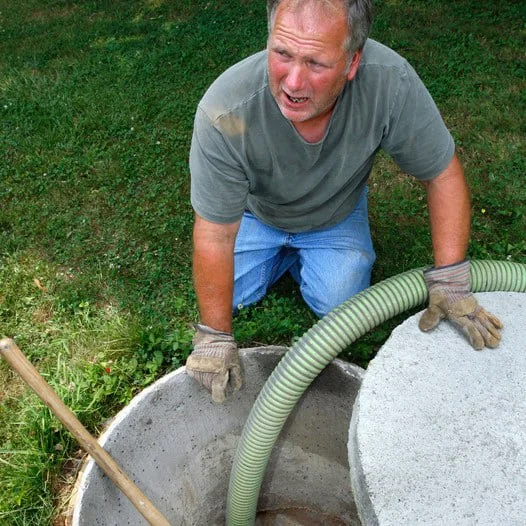
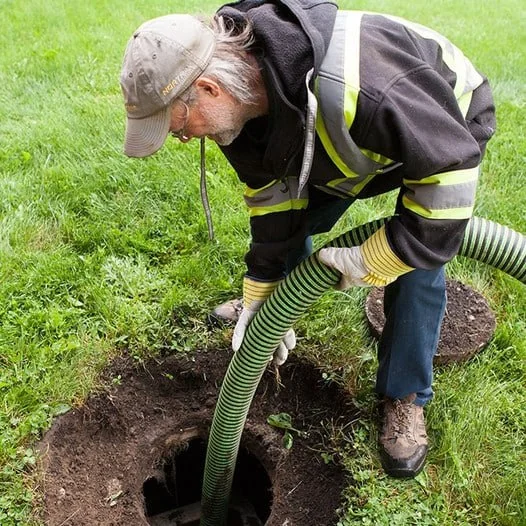
What Is a Septic Tank and Why Does It Need Care?
A septic tank is an underground wastewater treatment system commonly found in rural and suburban homes that are not connected to a municipal sewer line. Wastewater from your home flows into the tank where gravity separates it into three layers. Solid waste settles to the bottom as sludge. Grease and oils float to the top as scum. The middle layer of partially treated water, called effluent, flows out to the drain field for further treatment by the soil.
Inside the tank, naturally occurring anaerobic bacteria work to break down the solid waste. This biological process is what makes a septic system sustainable. Without enough active bacteria, solids accumulate faster than they decompose, the sludge layer rises, and eventually the tank loses capacity. When that happens, raw sewage can back up into your home or push untreated water into the drain field, contaminating groundwater.
Most septic tanks need pumping every three to five years depending on household size, tank capacity, and water usage habits. Between pumpings, regular treatment with bacteria and enzyme products keeps the biological process running efficiently, reduces odor, and protects the drain field from clogging. Neglecting a septic tank is one of the most expensive mistakes a homeowner can make. A full drain field replacement can cost anywhere from ten thousand to fifty thousand dollars.
Explore Septic Tank Guides
Septic Tank Treatment
Bacteria, enzymes, tablets, and shock treatments that restore your tank and extend pumping intervals.
Tank Maintenance
Pumping schedules, cleaning methods, and inspection checklists that keep your system running smoothly.
Common Problems
Backups, clogs, odors, and overflows. Learn what causes them and how to prevent them before they start.
Safe Products
Which cleaners, soaps, and detergents are safe for your septic system and which ones destroy your bacteria.
System Guide
How your septic system works, different tank types, drain field care, and what happens underground.
Installation & Sizing
What you need to know before installing a new tank, sizing requirements, and replacement cost estimates.
RV Septic Solutions
Portable waste tanks, black water handling, and treatment products designed for RVs and mobile homes.
Cost Guides
Realistic pumping costs, installation estimates, and the true price of ignoring your septic system.
Warning Signs Your Septic Tank Needs Attention
Catching septic problems early almost always means the difference between a fifty-dollar fix and a fifty-thousand-dollar replacement. Here are the signals that should prompt immediate action.
Slow draining sinks and showers
Sludge buildup in the tank restricts flow and causes water to back up through the drain lines.
Foul odor near drains or vents
Hydrogen sulfide gas builds up when bacteria populations are depleted, creating that unmistakable rotten-egg smell.
Lush green patches over the drain field
Untreated effluent leaking into the soil acts as fertilizer, causing unusually vigorous growth in specific areas.
Gurgling pipes when you flush
Air bubbles trapped in the drainage system signal a blockage forming between the tank and the drain field.
Sewage backing up into the house
The tank is completely full and there is nowhere for new wastewater to go except back through the pipes.
Recommended Solution
Homeowners Are Ditching Pumping Trucks After Seeing This
Watch this short video to discover the unusual method homeowners are using to dissolve solid waste, destroy foul odors, and keep drain fields flowing freely. No harsh chemicals. No service calls. It takes seconds and works while you sleep.
Thousands of septic tank owners across the country have switched to this natural approach after dealing with recurring backups, expensive pumping bills, and foul smells that no cleaner could fix.
Watch the Free Video NowPopular Guides
Septic Tank Treatment
The best treatments to keep bacteria balanced and sludge low.
Septic Tank Tablets
How monthly tablets can replace emergency pumping calls.
Bacteria & Enzymes
Why bacteria matter and how to restore them naturally.
Septic Tank Maintenance
Complete guide to keeping your system healthy year round.
Clogged Septic Tank
Spot the warning signs and fix blockages before they overflow.
Septic Tank Odor
Why your yard or bathroom smells and how to stop it fast.
Full Septic Tank Symptoms
Recognize the early warnings before sewage backs up.
Septic Tank Pumping Cost
What pumping really costs and how to cut it in half.
How to Clean Septic Tank
Safe cleaning methods that protect your drain field.
Latest from the Blog
View All Posts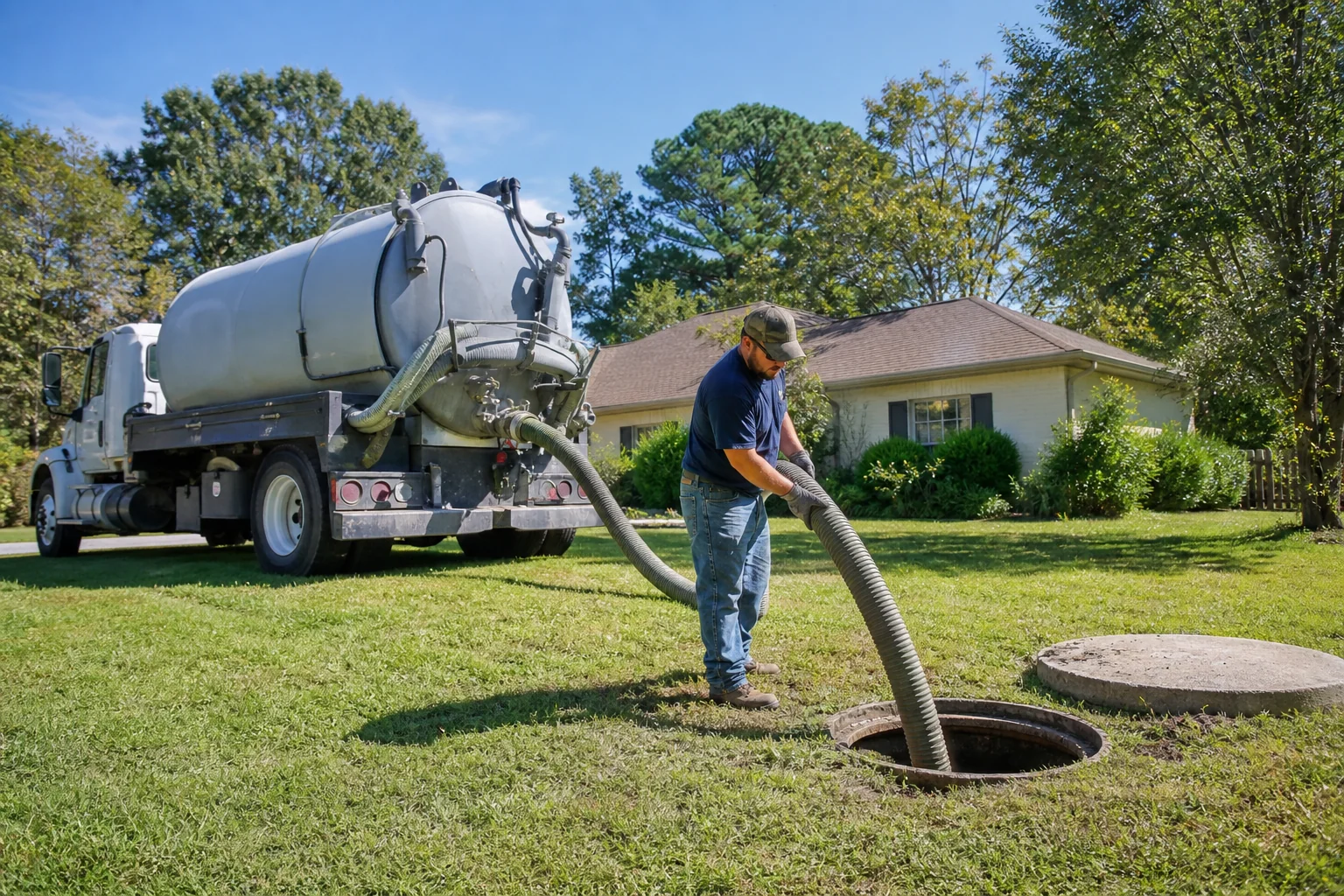
How Much Is Septic Tank Cleaning: Real Prices for 2025
Complete breakdown of septic tank cleaning costs by tank size, location, and service type. Learn what drives prices up and how to reduce your bill.
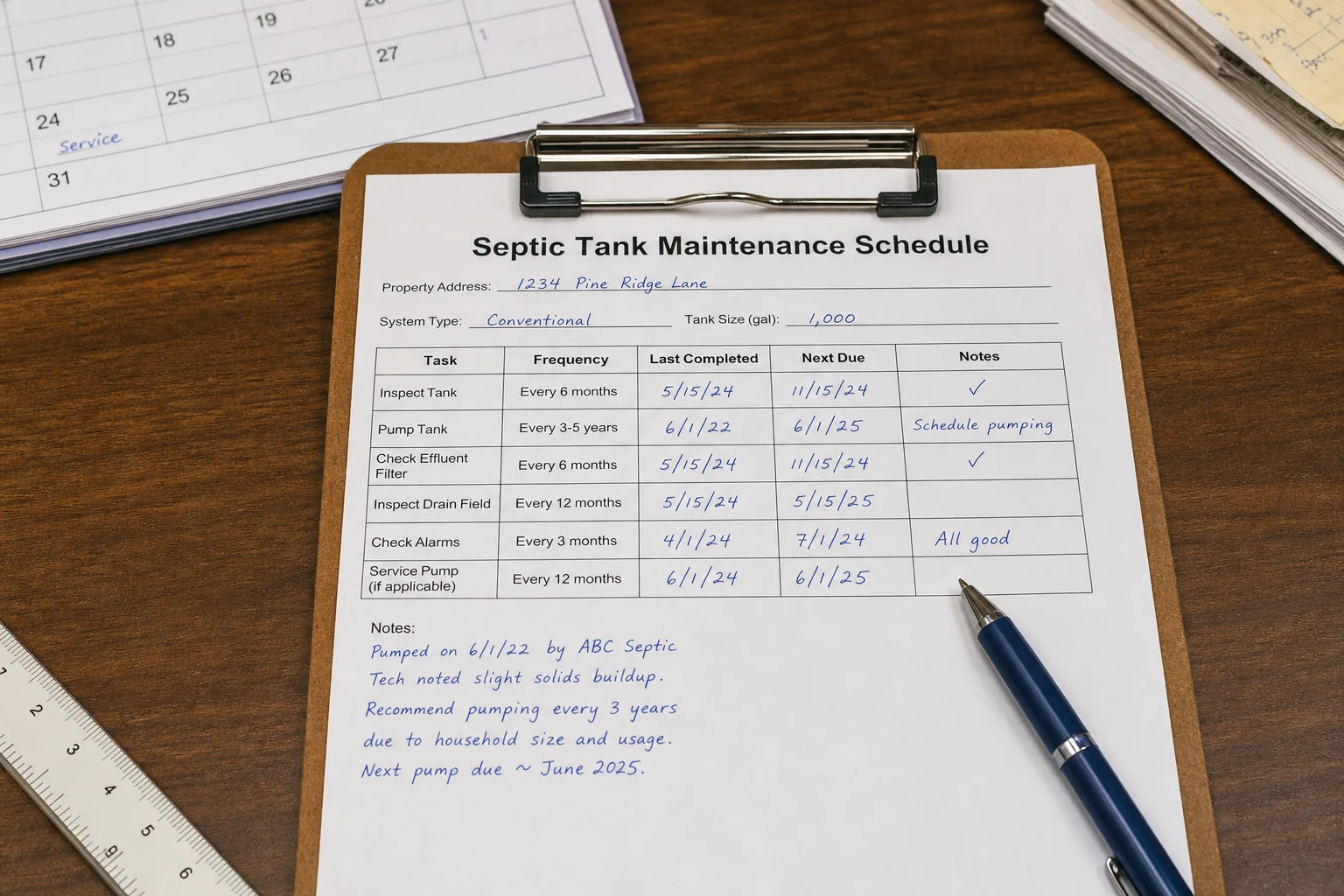
How Often Should a Septic Tank Be Pumped: The Definitive Schedule
Evidence-based pumping schedule by household size, garbage disposal use, and water habits. Prevent failures before they start.
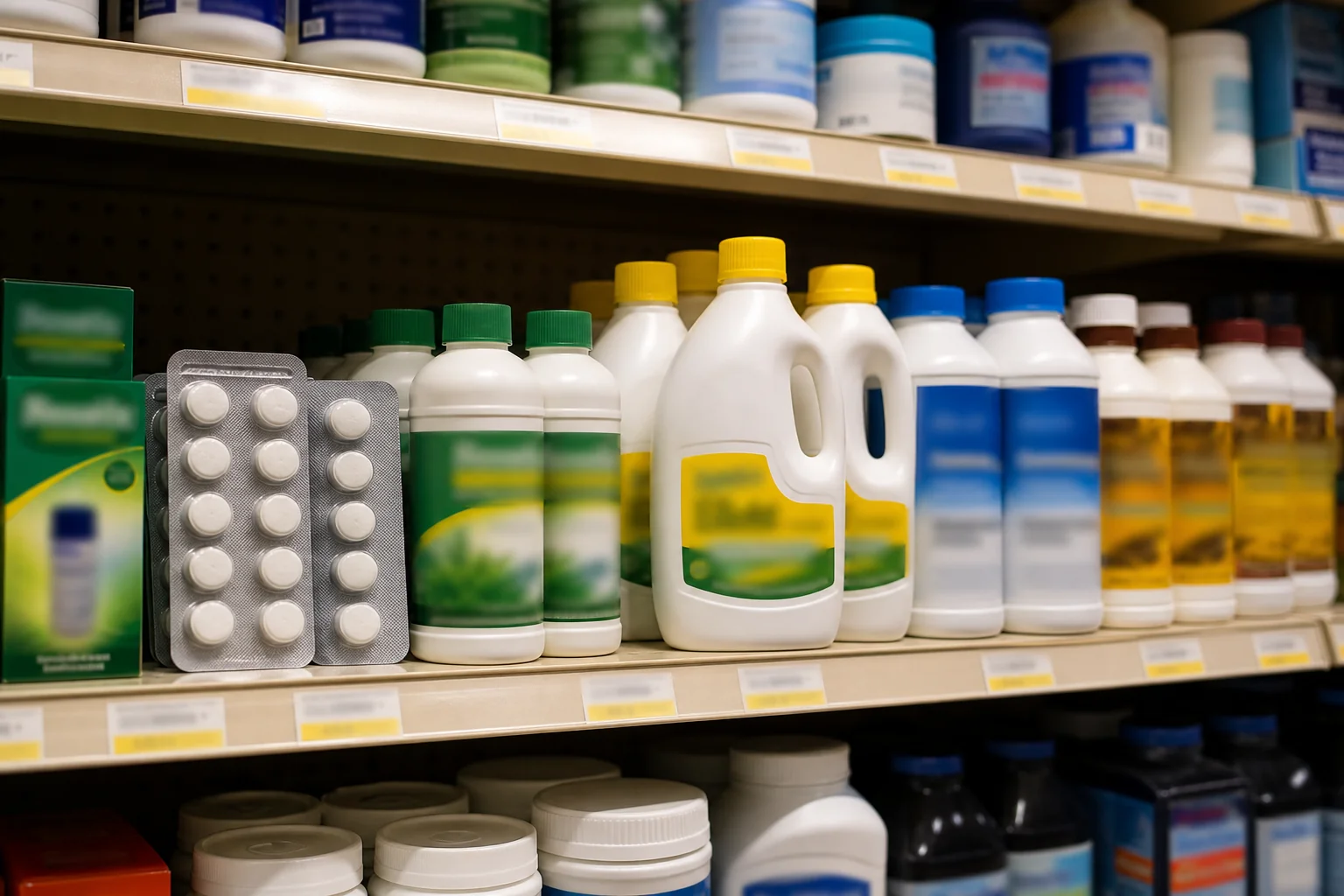
What Is the Best Septic Tank Treatment: Expert Reviews
Bacteria additives vs enzyme treatments vs chemical products compared by professional field inspectors. Save money by choosing the right product.
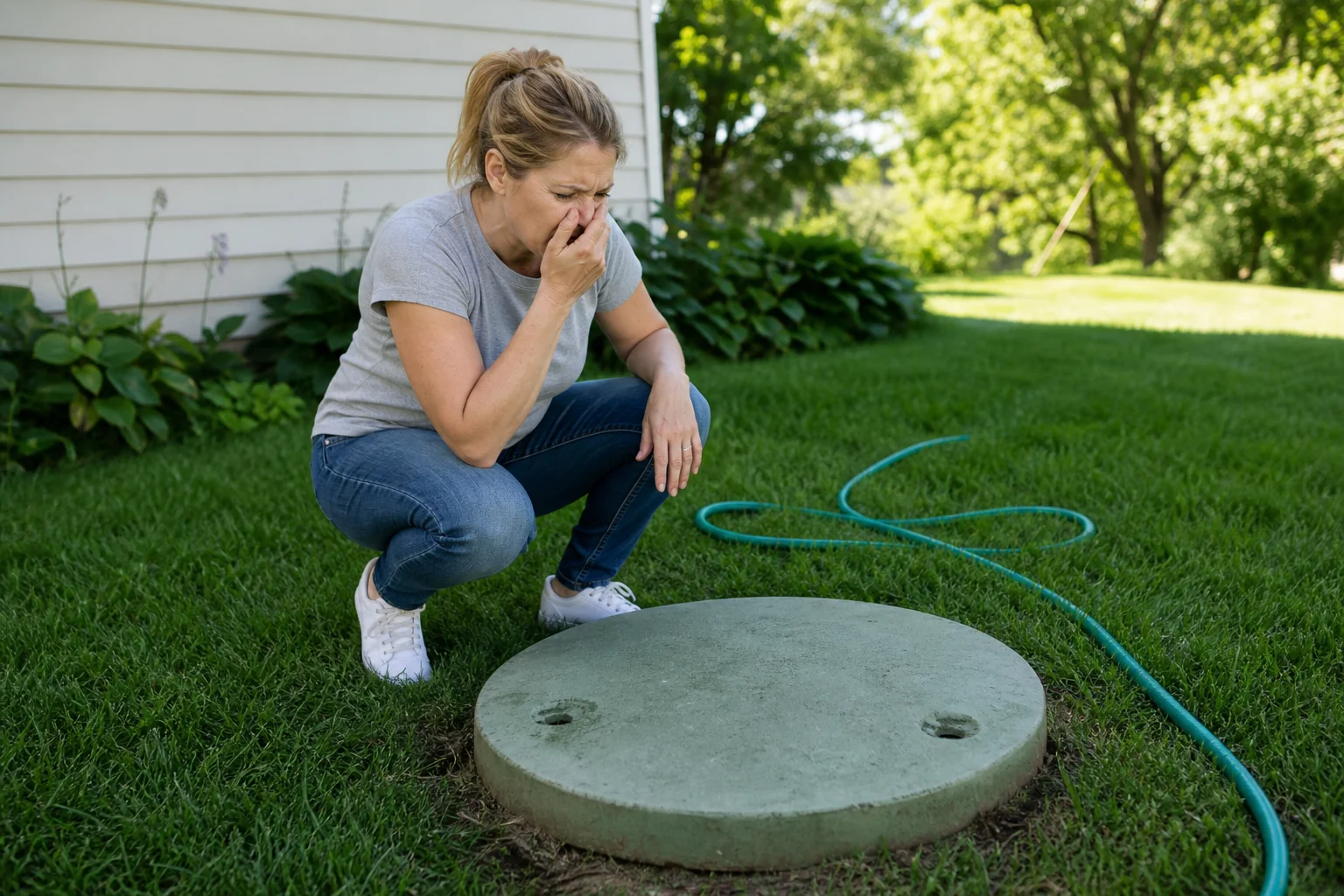
Why Does My Septic Tank Smell: Causes and Fixes
Indoor and outdoor septic odors explained. P traps, vent stacks, drain fields, and bacterial imbalance. The complete diagnostic guide.
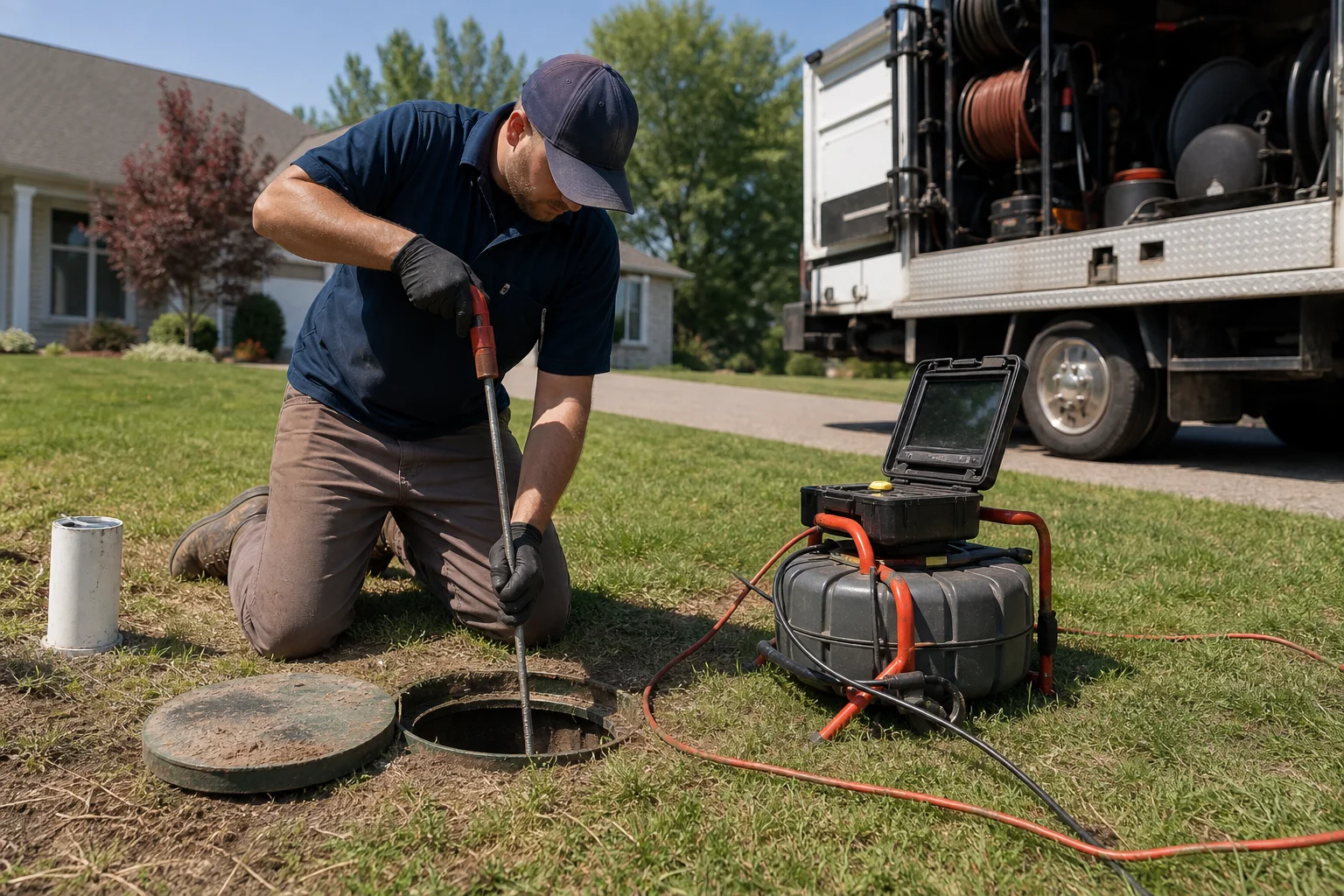
How to Get Rid of Septic Tank Odor: Step-by-Step Guide
Permanent odor removal for homes and yards. DIY fixes and professional solutions organized by odor location and severity.
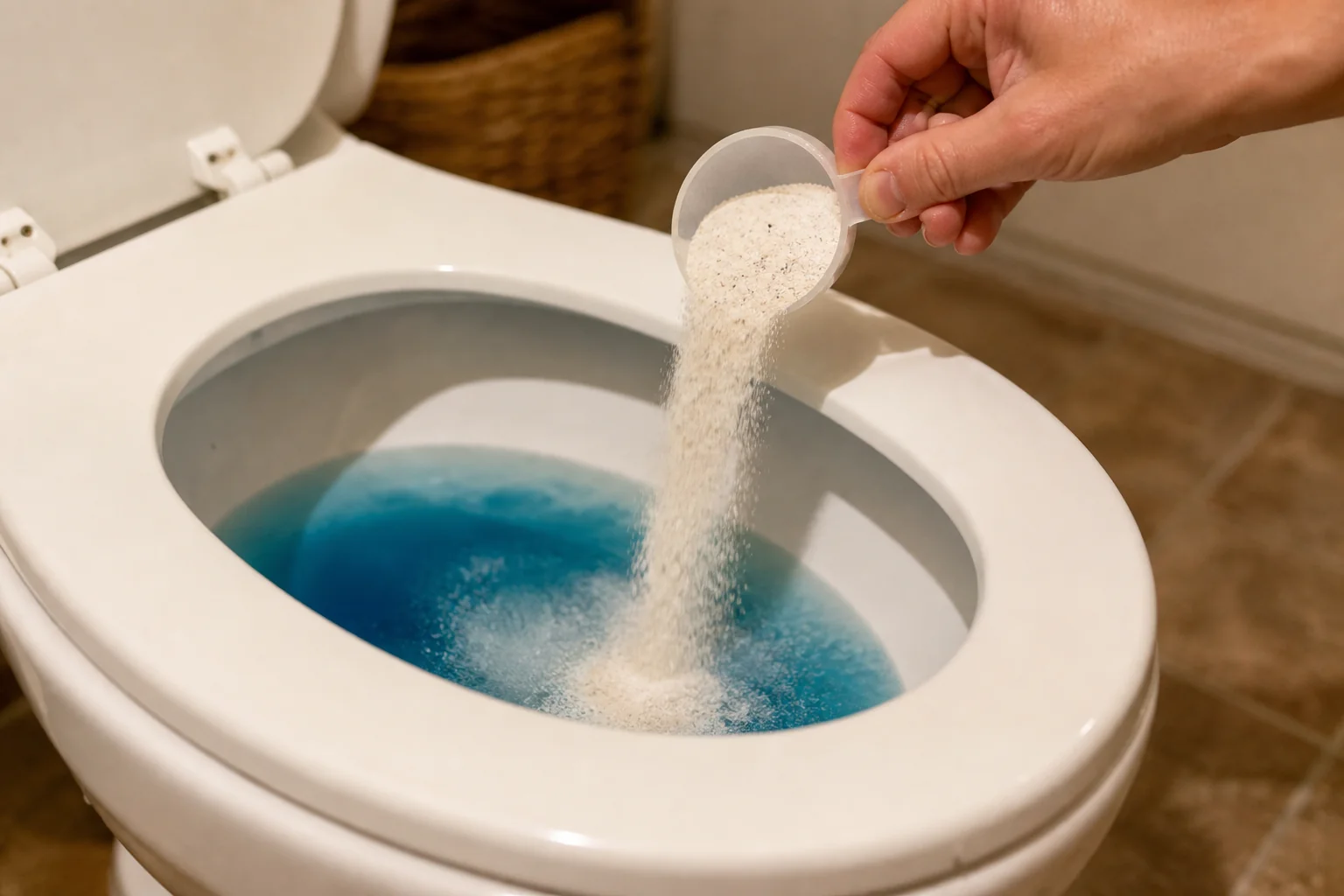
What Is the Best Septic Tank Additive: Bacteria vs Enzymes
Compare bacteria additives, enzyme products, and chemical treatments. Expert recommendations based on field performance data.
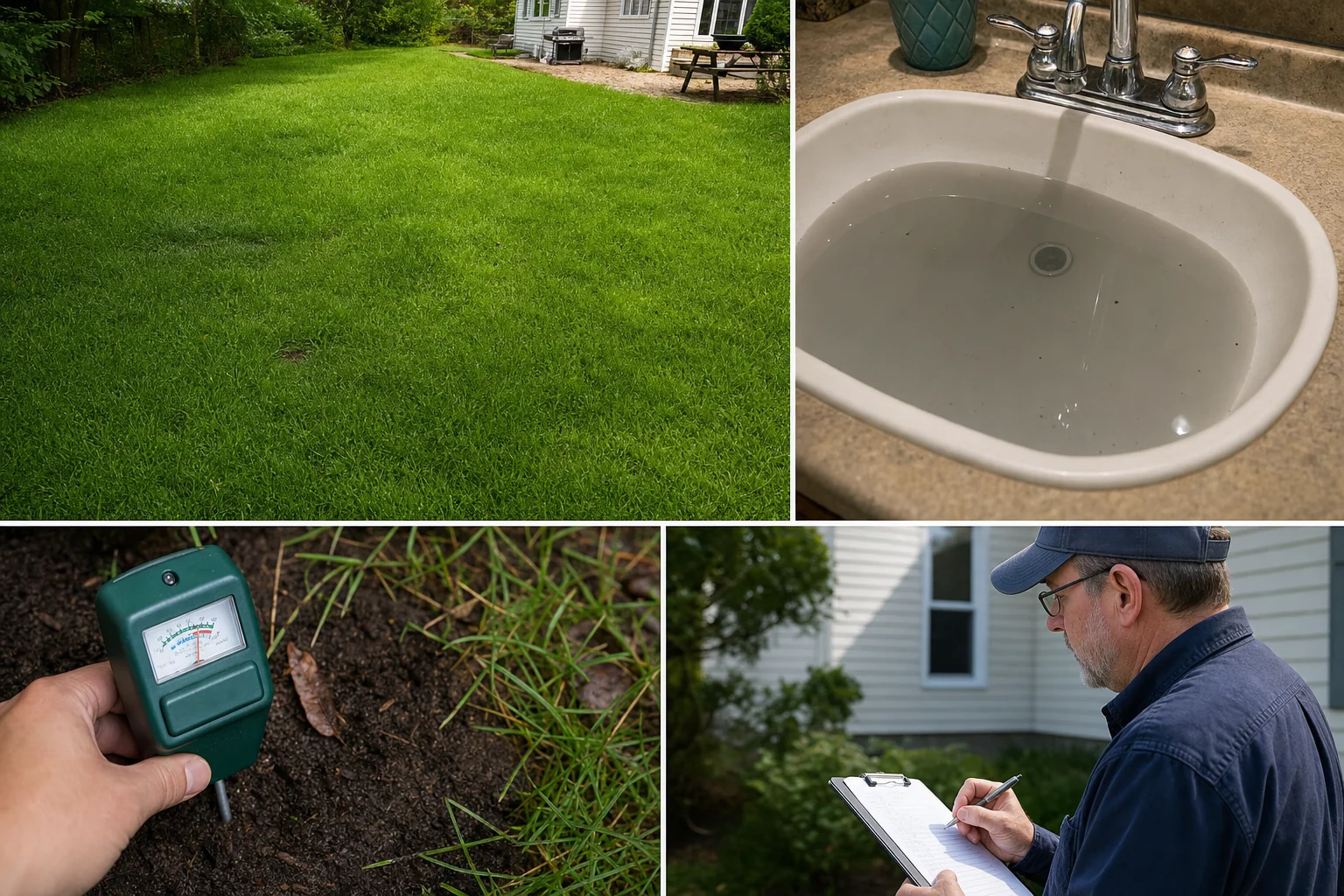
Signs Your Septic Tank Needs Pumping: Warning Flags Homeowners Miss
From slow drains to lush grass to sewage backup. The complete visual and physical symptom guide that prevents costly emergencies.
External Resources
- EPA: A Homeowners Guide to Septic Systems — Official Environmental Protection Agency documentation on septic system care.
- National Association of Wastewater Technicians — Industry certification body for septic professionals and inspectors.
- CDC: Septic System Information — Health and safety guidelines from the Centers for Disease Control and Prevention.
Written by Mike Henderson
Mike Henderson is a certified septic system inspector with over 18 years of hands-on experience in wastewater management across Florida and the southeastern United States. He holds certifications from the National Association of Wastewater Technicians and regularly consults homeowners on preventing costly septic failures. His work has been referenced by regional health departments and home inspection agencies.
Frequently Asked Questions
How often should I treat my septic tank?
Monthly treatment is the standard recommendation for most households. A single tablet or packet per month maintains bacterial balance in a typical 1000-gallon tank serving up to four people. Larger families or tanks over 1500 gallons may benefit from treatment every two to three weeks. Consistency matters more than frequency, so set a calendar reminder and stick to the schedule.
What destroys the bacteria in a septic tank?
Antibacterial cleaning products are the most common culprit. Bleach, hydrogen peroxide-based drain cleaners, and antibacterial soaps all reduce bacterial populations in the tank. Machine-generated laundry detergents with high surfactant content can also interfere. Even frequent use of in-sink garbage disposals adds organic load that can overwhelm an undersized tank.
How do I know if my septic tank needs pumping?
The only reliable method is physical inspection through the manhole cover. Most service providers will do this as part of a pumping quote. Warning signs that pumping may be due include slow drains throughout the house, foul odors near the tank or drain field, and unusually lush grass over the drain field lines.
Can I use regular drain cleaners in a septic system?
No. Chemical drain cleaners containing sulfuric acid, lye, or strong acids should never be used in a septic system. They kill the bacterial colonies that break down waste and can damage tank components. Use a mechanical snake for clogs, or call a professional. For routine maintenance, a plunger or hand auger is safe and effective.