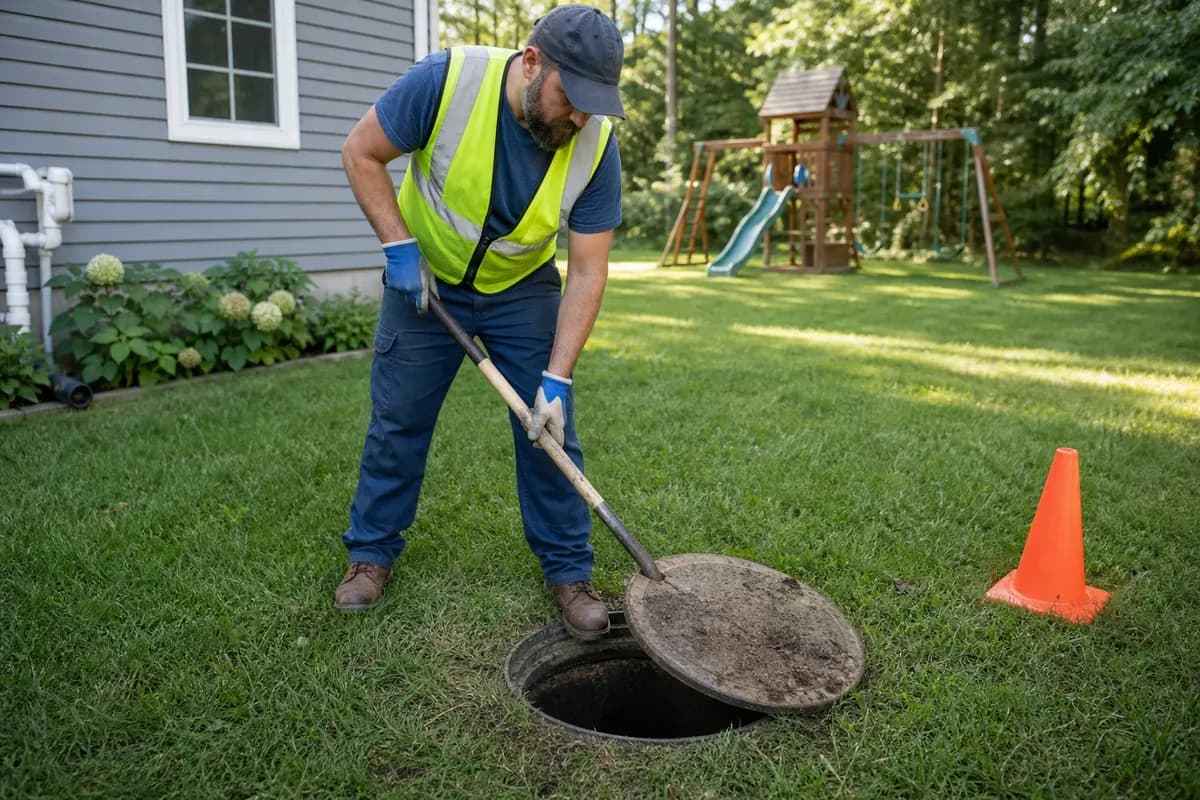
How often should you empty a septic tank is one of the most consequential maintenance questions a septic system owner can ask. The answer determines whether you spend a few hundred dollars on routine service or tens of thousands on a drain field replacement. Most homeowners receive vague advice ranging from "every year" to "every 10 years," but the real answer is specific to your household, your tank, and how your family uses water. This guide gives you a clear evidence-based framework for establishing the right pumping interval so you can protect your system and your wallet.
The Typical Emptying Frequency
The general guideline that most septic professionals follow is every 3 to 5 years for a standard residential tank under typical usage conditions. This is not an arbitrary number. It reflects the average rate at which solid waste accumulates in a 1000-gallon tank serving a family of three to five without unusual water consumption habits. The EPA published its own guidance suggesting 3 to 5 year intervals for standard households, though the agency acknowledges that actual pumping needs vary based on the factors discussed below.
Some homeowners interpret this range as a reason to wait until year five before scheduling their first pumping. This is a mistake. The 3 to 5 year range is a planning guide, not a guarantee. Every system has unique characteristics that either shorten or extend the actual interval. Measuring the sludge depth during an annual inspection tells you far more than a calendar ever can. If you have never had your tank pumped and you have owned the home for more than three years, schedule an inspection now to determine whether you are already overdue.
The most important takeaway is that septic tank emptying should never be treated as a set-it-and-forget-it task. Even if your system appears to be working fine on the surface, solids accumulate invisibly over time. By the time symptoms become noticeable, the tank may have already been pushing solids into the drain field for months or years. Proactive pumping is the only way to prevent this damage. If you are unsure where your system stands, read our guide to establishing a pumping schedule that works for your property.
Factors That Change How Often You Need to Empty
Several interacting factors determine whether your tank needs emptying at the 3-year end of the range or closer to the 5-year end. Understanding these factors helps you make informed decisions and communicate accurately with septic service professionals when you call.
Household size is the most significant driver. A single occupant generating 50 to 70 gallons of wastewater per day produces substantially less solid material than a family of six running multiple loads of laundry, running the dishwasher daily, and using a garbage disposal frequently. The larger the household, the more frequently solids accumulate, and the shorter the interval between pumpings needs to be.
Garbage disposal use is the single largest controllable factor. A garbage disposal grinds food waste into fine suspended particles that do not settle in the tank the way organic solids do. These particles remain in suspension and flow toward the drain field with each discharge, accelerating the clogging of the soil absorption area. Homes with garbage disposals consistently require more frequent pumping. If you rely heavily on your disposal, consider how this affects your overall septic cleaning schedule.
Water volume and usage patterns matter significantly. Doing all of your household laundry in a single day, known as "laundry clustering," sends a large volume of water through the system at once and can overwhelm the tank's settling capacity. Spreading water usage across the week gives the tank time to separate solids properly. High-efficiency washers, low-flow toilets, and faucet aerators reduce the hydraulic load on the system and extend the time between pumpings. Fixing leaking faucets promptly is another simple way to reduce unnecessary water volume.
System age also plays a role. Older septic tanks may have cracked baffles, compromised seals, or reduced settling efficiency due to sediment buildup on the interior walls. These conditions cause solids to reach the outlet more quickly, shortening effective pumping intervals. If your system is more than 20 years old, an inspection during each pumping can identify structural issues that might require more frequent attention or eventual replacement.
Tank Size and Household Size
Tank capacity and household size work together to determine pumping frequency. A larger tank relative to household size provides more volume for solids settling and extends the interval between pumpings. A tank that is undersized for the household fills faster and requires more frequent service. The standard guideline is 1000 gallons for a household of up to three bedrooms, 1250 gallons for four bedrooms, and 1500 gallons for five or more bedrooms.
If your household has grown since the system was installed, or if you have added a bedroom, the original pumping schedule may no longer be appropriate for your current situation. A tank that was adequate for a couple may be chronically overloaded after children arrive or when extended family visits frequently. Consider having your system evaluated to determine whether your current tank capacity matches your actual water volume and solid loading. You can learn more about sizing in our septic pumping cost guide which covers tank sizing factors in detail.
Two-compartment tanks, which are standard in modern installations, perform better than single-compartment tanks because the second compartment provides additional settling opportunity before effluent exits to the drain field. If you have an older single-compartment tank, you may need to pump more frequently than the standard 3 to 5 year guideline suggests. Discuss your tank configuration with your service professional during your next inspection.
Using Sludge Measurement to Trigger Pumping
The most accurate way to determine when your tank needs emptying is to measure the sludge layer directly. This takes less than ten minutes and requires only a wooden dowel, plastic rod, or specially designed sludge ball available from septic supply companies. Remove the access lid over the first compartment, insert the stick straight down through the liquid until it contacts the bottom, then pull it up and measure the dark smelly residue that clings to the stick.
When the sludge layer occupies more than one-third of the tank depth, pumping is necessary regardless of how long it has been since the last service. For a typical 1000-gallon tank with a liquid depth of 48 to 60 inches, the one-third threshold is approximately 16 to 20 inches of accumulated sludge. If you are measuring at or beyond this depth, schedule pumping immediately. The one-third rule is the professional standard because it accounts for the fact that solids closest to the tank bottom do not break down further and will eventually reach the outlet if not removed.
Measuring sludge is also the way to adjust your pumping schedule over time. If after three years your sludge depth is only a few inches, you can confidently extend your interval toward five years. If after three years you are already approaching one-third depth, you know your system needs more frequent attention. Keep a simple log of each measurement so you can track accumulation rates and communicate them to your service professional.
Signs Your Tank Needs Emptying Now
Waiting for visible symptoms before pumping is not a reliable strategy because by the time symptoms appear, the system may already be damaged. However, knowing what to look for helps you recognize when pumping is urgent regardless of your calendar schedule. These warning signs demand immediate attention.
Slow draining across multiple fixtures simultaneously is the most common early signal. If your sinks, showers, and toilets all drain slowly at the same time, the tank is likely full and preventing normal effluent flow. A single slow drain is usually a local clog. Multiple simultaneous slow drains point to a tank or distribution problem. Review our septic problems guide for a full breakdown of symptoms and their causes.
Gurgling sounds from pipes when water is running indicate that air is being trapped by water flowing through a partially blocked line. In a septic context, this typically means the tank is full enough that the outlet is restricted, causing the drain piping to gurgle as effluent fights for space. Sewage odors near the tank lid, in the basement, or from floor drains suggest that the tank contents are reaching capacity and releasing gases that normally would be contained.
Standing water or unusually lush grass growth over the drain field area is one of the clearest indicators that the system is hydraulically overloaded. When the tank is full, effluent flows to the drain field faster than the soil can absorb it, causing surface pooling or enhanced vegetation growth. The grass may appear darker green, taller, or healthier than the surrounding lawn. See our full septic symptoms guide for detailed photos and descriptions of these warning signs.
What Happens If You Wait Too Long
Deferring septic tank emptying is one of the most expensive decisions a homeowner can make. The financial consequences scale rapidly as the system deteriorates, and the point of no return often arrives without obvious warning. Understanding the progression of failure helps you appreciate why proactive pumping is a sound investment.
When a septic tank accumulates solids beyond its design capacity, the sludge layer eventually reaches the outlet tee. From that point, solid waste flows directly into the drain field distribution pipes along with the liquid effluent. The soil beneath and around the drain lines is not designed to handle solid material. As solids accumulate in the gravel and soil matrix, they restrict the pore spaces through which effluent normally disperses. This process is called biomat clogging, and it is irreversible through normal maintenance.
Once the drain field is clogged, the system cannot treat wastewater effectively. The effluent surfaces in the yard, backs up into the home, or ponds permanently over the absorption area. At this stage, no amount of pumping or bacterial additives can restore the field. The only solutions are expensive rehabilitation procedures or complete drain field replacement, which typically costs $10,000 to $30,000 or more depending on property conditions, local permitting requirements, and the size of the required field.
A routine pumping service that costs $300 to $600 every 3 to 5 years is a fraction of the cost of a new drain field. The math is straightforward and compelling. Every dollar spent on timely pumping prevents tens or hundreds of dollars in potential repair costs. There is no economic justification for deferring pumping once the tank reaches its accumulation threshold.
Connecting Pumping to Your Maintenance Schedule
Pumping is most effective when it is part of a comprehensive maintenance schedule rather than a standalone event. A complete septic maintenance plan includes regular inspections, periodic pumping, drain field monitoring, and household water management practices that reduce hydraulic and solid loading on the system. Working with a qualified septic professional to establish this schedule is one of the best investments you can make in your system is longevity.
Annual inspection should accompany your pumping service. During an inspection, the professional checks the condition of the inlet and outlet baffles or tees, looks for signs of tank damage or water intrusion, tests the functionality of any pump or float switches in the tank, and assesses the overall health of the drain field based on water table observations and surface conditions. An inspection without pumping gives you information but leaves the solids in place. Pumping without inspection misses the opportunity to catch problems early.
Your pumping schedule should also account for seasonal factors in some climates. In northern states, scheduling pumping in late spring or early summer after the ground thaws completely makes the excavation easier and reduces the risk of damage from heavy equipment operating on saturated ground. In any climate, pumping before a period of heavy water use such as holiday gatherings or summer irrigation season ensures the tank has capacity to handle the increased load.
Professional Versus DIY Pumping
Septic tank pumping is not a DIY task. The process requires a vacuum truck with a large holding tank, specialized suction hoses designed to handle semi-solid material, and trained operators who understand how to safely access and evacuate a confined space. Attempting to pump a tank with a portable or shop vacuum does not remove the dense sludge layer at the bottom of the tank, and doing so incorrectly can damage the tank interior, dislodge connections, or expose you to lethal confined space gases.
Professional septic service companies are equipped to pump all compartments of the tank, remove the accumulated sludge completely, inspect the interior baffles, and dispose of the waste at an approved treatment facility. They also carry general liability insurance that protects you if something is damaged during service. Always verify that the company you hire is licensed and insured in your state, and ask about their experience with your specific tank type.
One thing homeowners can do themselves between professional services is measure the sludge depth as described earlier. This monitoring step costs nothing and takes only a few minutes. It provides valuable data that helps you and your service professional adjust the pumping schedule based on actual accumulation rather than guesswork. This is one of the simplest and most effective maintenance steps you can take on your own.
Cost Considerations
The cost of septic tank pumping varies based on tank size, accessibility, geographic location, and the service company you choose. On average, homeowners pay between $300 and $600 for a standard 1000-gallon tank pumping in most regions of the United States. Larger tanks, those buried deeper than standard depth, or those requiring excavation to reach the lids cost more. Some companies charge additional fees for disposal or for pumping multiple compartments.
When comparing costs, ask what is included in the quoted price. A comprehensive pumping service should include evacuation of all compartments, baffle inspection, and a brief assessment of the drain field condition. Some companies offer lower base prices but charge extra for each of these services. Getting a full breakdown before the service begins prevents surprises on the invoice. For more detail, see our septic pumping cost breakdown which covers pricing factors and how to evaluate quotes.
While it may be tempting to select the lowest bid, experience and equipment quality matter in this industry. A company with well-maintained vacuum equipment and experienced operators is more likely to empty the tank completely and identify potential problems during the service. An inexperienced operator may miss compartments, damage baffles, or fail to notice early warning signs of system failure. Investing a few extra dollars in a qualified professional typically results in better service and earlier problem detection.
Consider also the long-term cost of not pumping. A single drain field replacement at $15,000 to $30,000 costs 25 to 50 times more than a single pumping service. Over the 25 to 30 year lifespan of a properly maintained drain field, three to five pumping services at $400 each total approximately $1,200 to $2,000. Compare this to the probability of field failure without regular pumping and the financial case for consistent maintenance is clear.
Related Articles
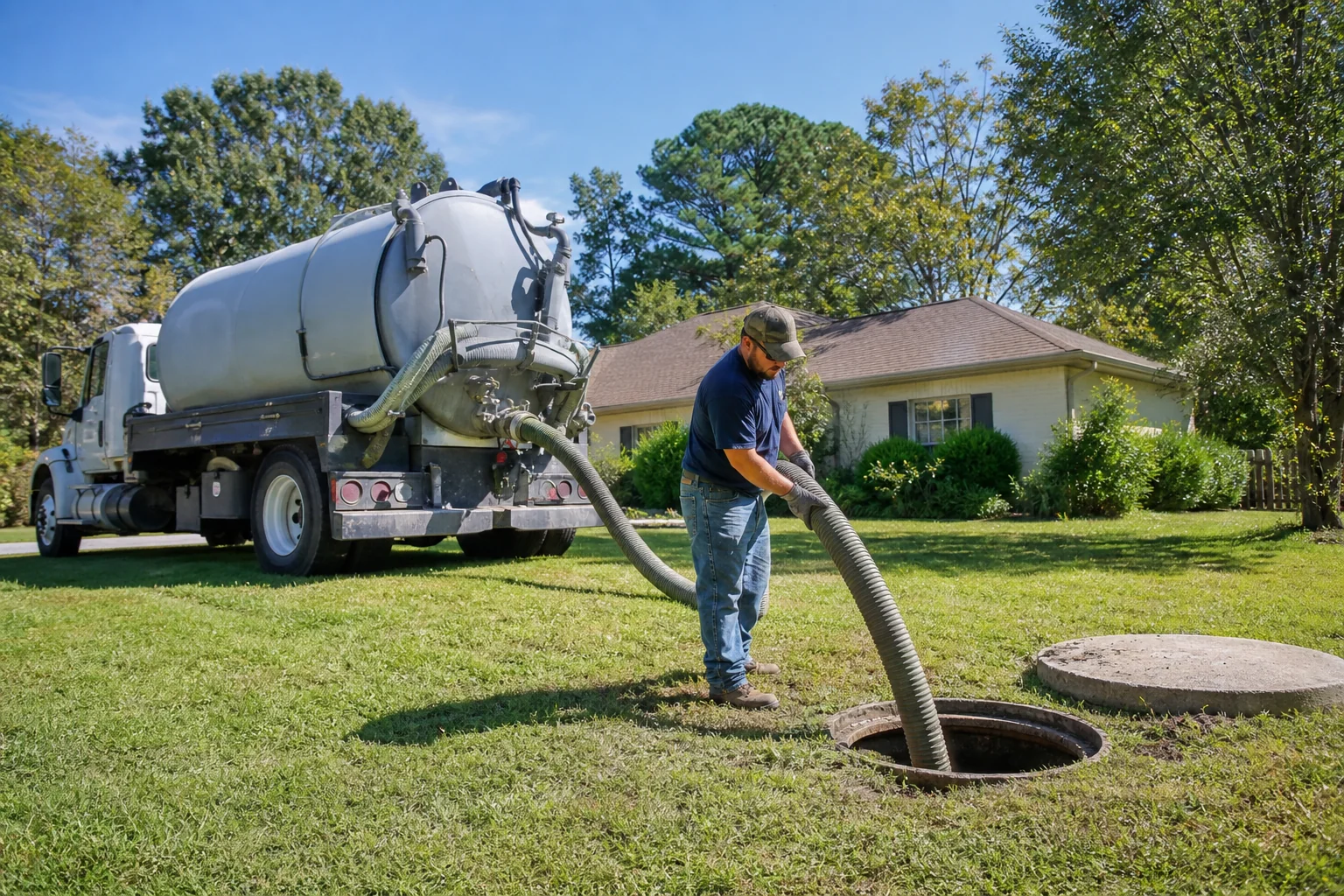
How Much Is Septic Tank Cleaning: Real Prices for 2025
Complete breakdown of septic tank cleaning costs by tank size, location, and service type.
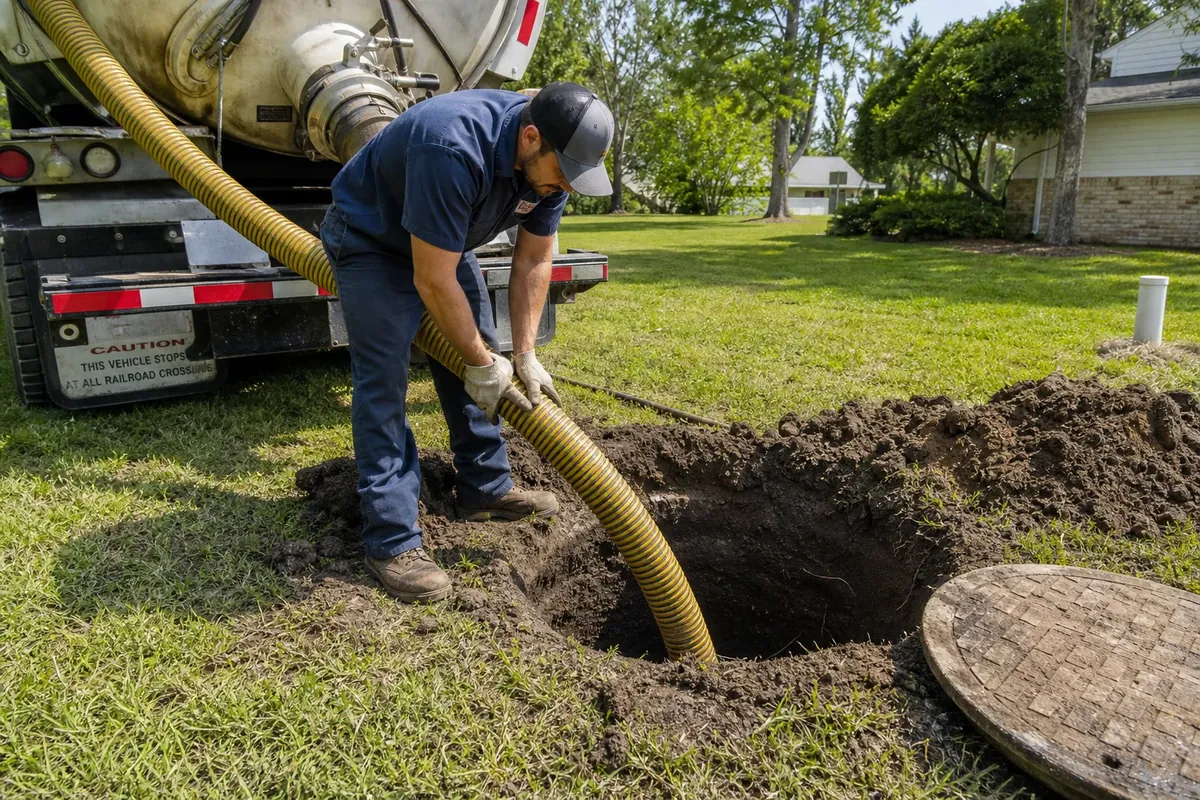
How Are Septic Tanks Cleaned: The Professional Process Explained
Professional septic cleaning involves pumping, agitation, and inspection. Understand exactly what happens during a service call.
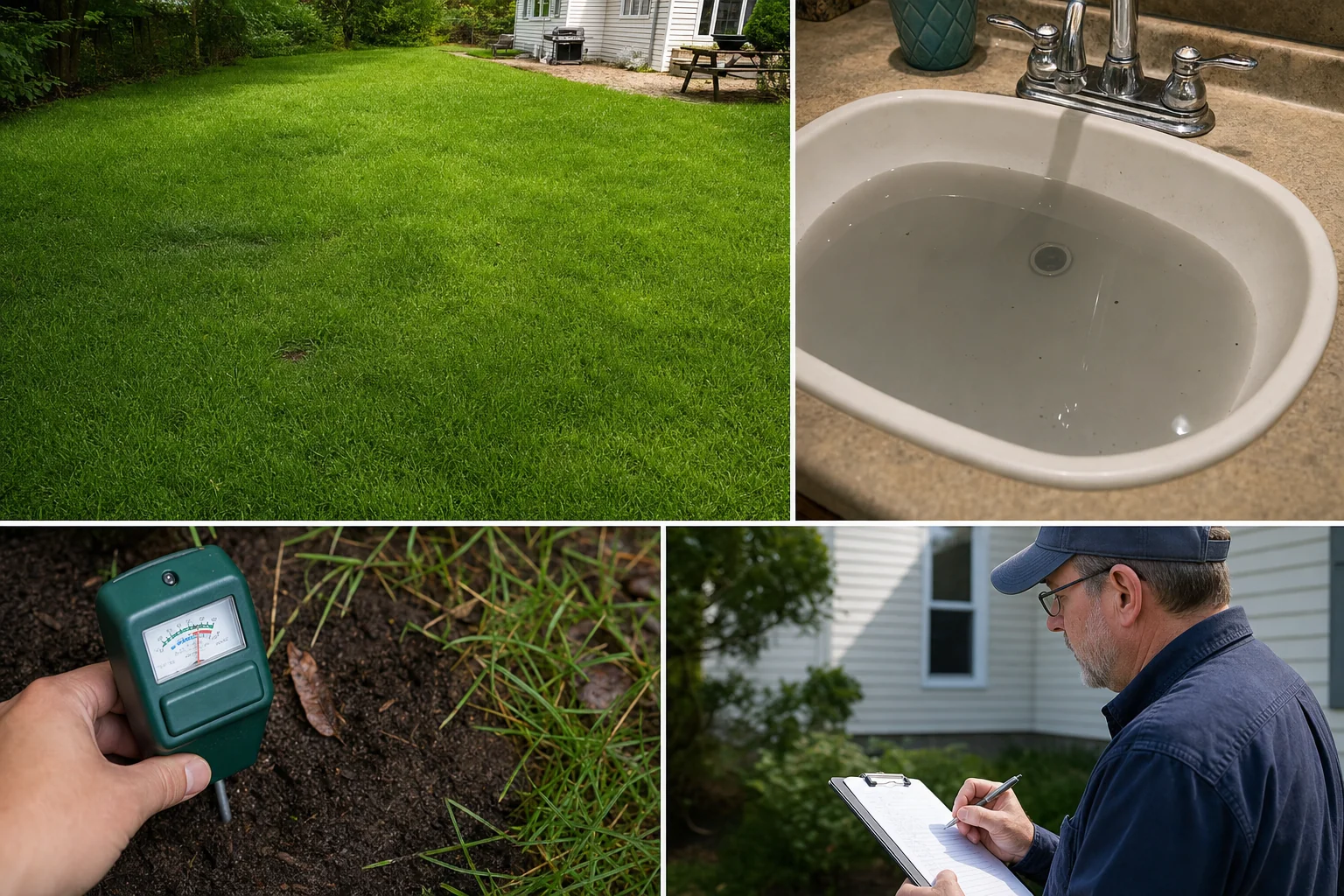
Signs Your Septic Tank Needs Pumping: Warning Flags Homeowners Miss
From slow drains to lush grass to sewage backup. The complete visual and physical symptom guide.
External Resources
Frequently Asked Questions
How often should you empty a septic tank for a typical household?
Most homeowners should empty a septic tank every 3 to 5 years under normal usage conditions. A standard 1000-gallon tank serving a family of four without a garbage disposal typically needs pumping every 3 to 5 years. Households with garbage disposals, large families, or older plumbing systems may require pumping every 2 to 3 years.
What factors change how often you need to empty a septic tank?
Tank size is the primary factor. A 1000-gallon tank serving two people lasts far longer between pumpings than the same tank serving six. Household size, daily water usage, the presence of a garbage disposal, the age of the system, and whether you use water-efficient fixtures all influence pumping frequency. Homes with older septic systems may also accumulate solids faster due to reduced settling efficiency.
How do you know when your septic tank needs emptying before the scheduled date?
Measure the sludge layer with a wooden stick inserted through the tank access port. When sludge depth exceeds one-third of the tank depth, schedule pumping immediately regardless of the calendar. Visible warning signs include slow draining in multiple fixtures simultaneously, sewage odors near the tank or inside the home, standing water over the drain field area, and unusually lush or green grass patches above the tank location.
What happens if you wait too long to empty a septic tank?
Waiting too long allows the sludge layer to reach the outlet tee, where solid waste flows directly into the drain field. Once solids clog the soil and gravel surrounding the drain lines, the field cannot be cleaned and must be replaced entirely. Drain field replacement costs between $10,000 and $30,000 or more depending on site conditions, compared to a $300 to $600 pumping service.
Should you hire a professional or pump a septic tank yourself?
Pumping a septic tank is a specialized process that requires a vacuum truck and trained operators. Attempting to pump a tank without the proper equipment is dangerous due to toxic gases inside the tank and ineffective because household pumps cannot remove the dense sludge layer at the bottom. Always hire a licensed septic service professional who carries appropriate insurance and knows how to handle the tank safely.
Does having your tank pumped affect your overall septic maintenance schedule?
Pumping alone is not maintenance. A complete maintenance schedule includes annual inspection of the tank baffles and inlet outlet conditions, checking the drain field for signs of hydraulic failure, and monitoring water usage patterns throughout the year. Work with your septic professional to establish a comprehensive maintenance schedule that combines pumping with periodic inspections.
Written by Mike Henderson
Mike Henderson is a certified septic system inspector with over 18 years of hands-on experience in wastewater management across Florida and the southeastern United States. He holds certifications from the National Association of Wastewater Technicians and regularly consults homeowners on preventing costly septic failures. His work has been referenced by regional health departments and home inspection agencies.