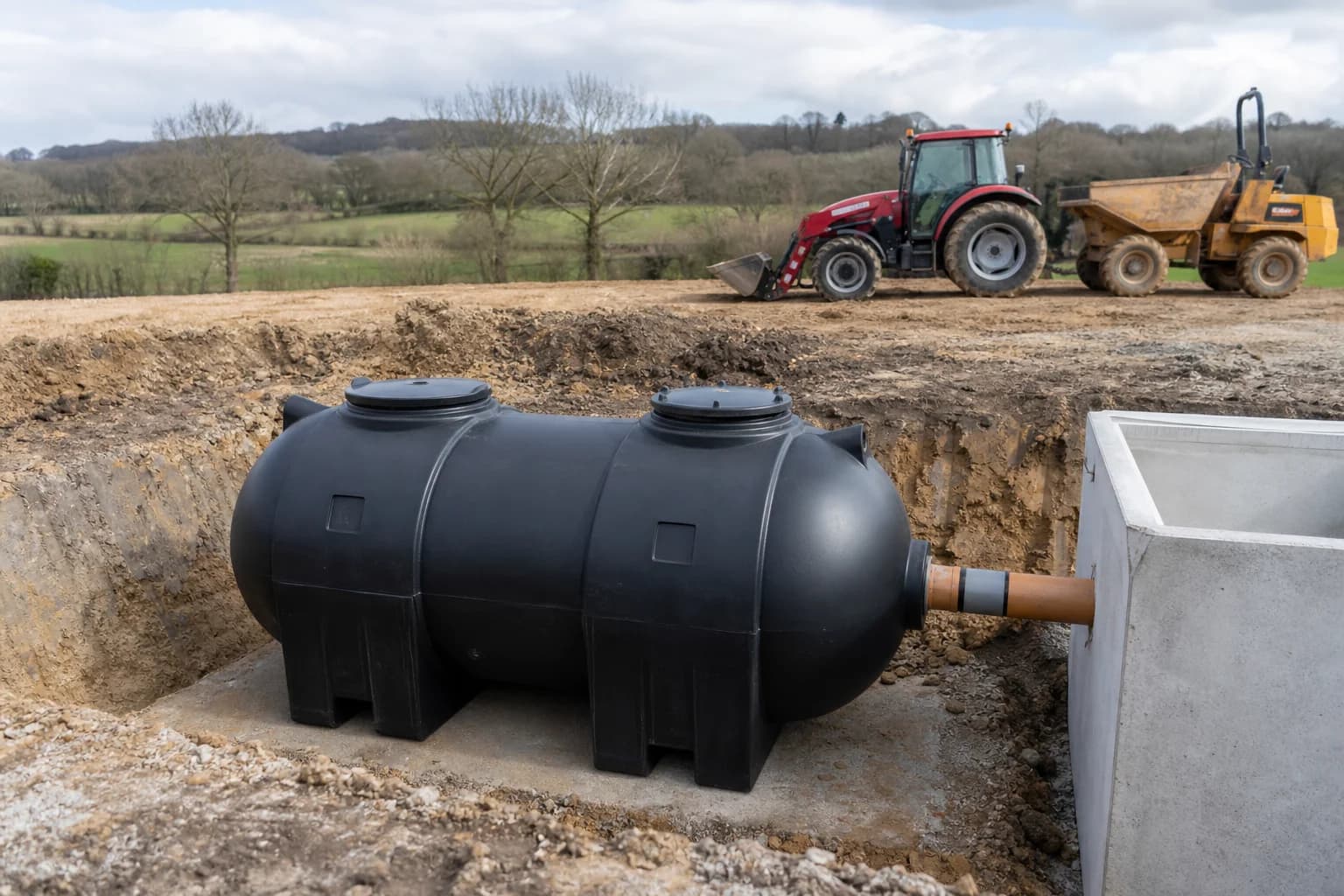
Plastic polyethylene septic tanks represent a significant advancement in wastewater containment technology, offering homeowners an alternative to the traditional concrete tanks that have dominated the industry for decades. These tanks are manufactured from high-density polyethylene (HDPE) or polypropylene through a rotational molding process that creates a seamless, one-piece vessel with integral baffles and ribs for structural strength. The development of reliable plastic tanks has expanded the options available to homeowners, particularly in situations where the weight and installation requirements of concrete create practical challenges.
Homeowners Are Ditching Pumping Trucks After Seeing This
Watch this short video to discover the unusual method homeowners are using to dissolve solid waste, destroy foul odors, and keep drain fields flowing freely. No harsh chemicals. No service calls. It takes seconds and works while you sleep.
Watch the Free Video NowWhat Are Plastic Poly Septic Tanks: Materials and Construction
Plastic poly septic tanks are containment vessels manufactured from high-density polyethylene (HDPE), a thermoplastic polymer known for its strength-to-density ratio, chemical resistance, and durability. The HDPE used in septic tank manufacturing is specifically formulated to withstand the harsh underground environment, including exposure to sewage, soil chemicals, moisture, and temperature fluctuations. Unlike earlier plastic products that could become brittle over time, modern HDPE formulations maintain their properties for decades of buried service.
The rotational molding process used to manufacture these tanks creates a completely seamless vessel with uniform wall thickness throughout. This seamless construction eliminates the joints and seams that can be potential leak points in other tank designs, whether concrete with its multiple pour stages or steel tanks with welded seams. The tanks are molded with integral baffles as part of the single-piece construction, which ensures they cannot separate or leak at baffle connections over time.
The ribbed exterior design of plastic tanks provides structural reinforcement that allows them to withstand burial loads without the massive weight of concrete. These ribs run vertically or horizontally around the tank circumference and significantly increase the tank's resistance to crushing or deforming under backfill pressure. The specific rib configuration varies by manufacturer and tank size, with larger tanks featuring more extensive rib patterns to compensate for their increased volume.
Manufacturing Process and Design: Why Seamless Construction Matters
The rotational molding process, also called rotomolding, involves placing polyethylene powder into a metal mold that is heated and rotated on two perpendicular axes. As the mold heats, the powder melts and coats the interior surfaces of the mold, gradually building up a uniform layer. This process produces walls with consistent thickness and eliminates weak points that can occur in other manufacturing methods. The controlled heating and cooling cycle also results in internal stresses being minimized, which contributes to long-term dimensional stability.
Integral baffles are one of the most significant design features of modern plastic tanks. These baffles are molded as part of the tank body rather than being installed as separate components after manufacturing. The result is a complete and permanent barrier between inlet and outlet chambers that cannot degrade, separate, or become dislodged over time. This is a meaningful advantage over concrete tanks where baffles are often mortar-fitted or bricked into place and can be damaged during pumping or deteriorate over decades of service.
The interior surface of plastic tanks is extremely smooth compared to concrete, which has inherent roughness that can trap solids and promote sludge accumulation. This smooth surface promotes laminar flow through the tank and reduces the tendency of solids to adhere to the walls or baffles. The practical benefit is more complete emptying during pumping and potentially slower accumulation of sludge between pumpings, though regular pumping schedules should still be maintained regardless of tank material.
Benefits of Plastic Poly Septic Tanks: Advantages That Matter
The lightweight nature of plastic tanks is their most immediately apparent advantage. A typical 1,000-gallon plastic tank weighs between 200 and 400 pounds, compared to 6,000 to 8,000 pounds for a comparable concrete tank. This dramatic weight difference translates directly to installation cost savings because standard pickup trucks and smaller equipment can transport the tank, and smaller excavation equipment can place it in the ground. For properties with limited access, remote locations, or terrain that prevents heavy equipment from reaching the installation site, plastic tanks may be the only practical option.
The complete watertightness of plastic tanks eliminates concerns about leakage through walls or seams. Unlike concrete, which can develop cracks over time, or steel, which can corrode, HDPE maintains its watertight integrity throughout its service life. This watertightness protects groundwater from contamination and prevents groundwater infiltration into the tank, which can overload drain fields during wet seasons or flood conditions.
Plastic tanks are completely immune to corrosion from the acidic and alkaline conditions that can develop inside septic tanks. They are also impervious to damage from common household chemicals that flow through the drain system. This chemical resistance means the tank material will not degrade from normal septic system use, and there is no protective coating that can wear away and require reapplication.
The one-piece molded construction with integral baffles eliminates several failure modes that can affect other tank types. There are no separate components to install incorrectly, no seals that can degrade, and no mortar joints that can fail. The probability of a leak at a baffle connection is eliminated entirely because the baffles are part of the tank structure. Our concrete tank guide explains the potential leak points that can occur in multi-component tank construction.
Limitations and Considerations: Understanding Constraints
The buoyancy of empty plastic tanks in saturated soil conditions is the most significant installation concern that must be addressed. When the soil around the tank becomes saturated, the tank displaces enough water to create significant upward force. Without proper ballasting or anchoring, an empty tank can float to the surface like a boat, which would destroy the plumbing connections and create a serious environmental hazard. installers address this risk through several methods, including gravel backfilling that adds weight around the tank, concrete collar systems that anchor the tank in place, or specialized hold-down systems designed for plastic tank installations.
The structural strength of plastic tanks, while adequate for normal burial depths and stable soil conditions, may be insufficient for areas subject to heavy loads or significant ground movement. Tanks installed beneath driveways, roads, or heavy equipment traffic areas require additional engineering consideration, including deeper burial, concrete encasement, or selection of a more robust tank design. Standard residential plastic tanks are designed for burial depths of 12 to 48 inches below grade, and deeper installations may require consultation with the manufacturer about specific load ratings.
The shorter expected lifespan of plastic tanks compared to concrete is a consideration for long-term property planning. While concrete tanks routinely exceed 40 years of service, plastic tanks are typically rated for 20 to 30 years. This shorter lifespan may be acceptable for temporary installations, rental properties, or situations where future system upgrades are planned, but homeowners making permanent investments may prefer the extended service life of concrete. Our lifespan guide provides detailed comparisons across all tank materials.
Temperature sensitivity is another factor in certain climates. While HDPE performs well across a wide temperature range, extreme cold can make the material more brittle, and extreme heat can cause expansion. In practice, burial below the frost line in cold climates and normal backfilling practices adequately address these concerns for most installations. The flexibility of plastic actually provides an advantage in freeze-thaw cycles because the material can expand and contract slightly without cracking, unlike concrete which can crack under these conditions.
Installation Requirements: Ensuring Long-Term Performance
Proper site preparation is critical for plastic tank installation because the tank must be supported uniformly along its entire bottom surface. The excavation bottom should be flat and level, with no rocks, roots, or debris that could create point loads on the tank bottom. Many installers prefer to place a gravel or sand bed at the bottom of the excavation to ensure uniform support and good drainage beneath the tank. This bedding layer also facilitates finding the tank location in the future if service is needed.
Backfilling around the tank requires careful attention to material and technique. Gravel or clean fill dirt free of large stones and debris is placed in layers around and over the tank, with each layer compacted carefully to eliminate voids without applying excessive pressure directly against the tank walls. The use of gravel for backfilling provides several benefits: it adds mass that helps counter buoyancy, it drains well so water does not accumulate around the tank, and it distributes loads evenly to reduce stress on the tank structure.
Inlet and outlet connections must be properly sealed to prevent leaks at the pipe penetrations. Most plastic tanks include grommeted openings specifically designed for standard 4-inch septic pipe, which provide a watertight seal when properly installed. The pipe connections should be flexible enough to accommodate slight tank movement without cracking or separating. In areas with high water tables, additional sealing measures such as external boots or collars may be recommended to ensure watertight integrity under hydrostatic pressure.
Setting the tank at the correct depth involves balancing burial depth requirements, frost line considerations, and access for future pumping. Risers that extend the tank access openings to ground level are particularly important for plastic tanks because the tanks themselves are not designed to support heavy loads on their lids. Risers should be properly sealed and secured to prevent stormwater infiltration, which can add significant hydraulic load to the drain field. Our installation guide provides detailed specifications for proper tank setup.
Maintenance and Care: Protecting Your Plastic Tank Investment
Plastic septic tanks require the same fundamental maintenance schedule as all septic systems: regular pumping every 3 to 5 years depending on household size and usage patterns, periodic inspection of baffles and connections, and responsible use of the drain system. The advantage of plastic tanks from a maintenance perspective is that there are fewer components that can fail, no surfaces that can corrode, and no mortar joints that can deteriorate. However, the maintenance fundamentals remain the same because the biological processes in the tank and the function of the drain field are identical regardless of tank material.
During pumping and inspection visits, professionals should verify that the integral baffles are intact and functioning properly. While the one-piece construction eliminates the risk of baffles separating or falling off, physical damage from impacts or excessive loads could theoretically affect baffle performance. Any signs of deformation, cracking, or damage to the tank structure or baffles should be documented and evaluated for repair or replacement. Our inspection guide covers what professionals look for during septic assessments.
Protecting the tank from above-ground and below-ground hazards involves managing both physical access and landscaping choices. The tank lid area should not be driven over or subjected to heavy loads, and deep-rooted vegetation should be kept away from the tank area to prevent root intrusion. While plastic is not susceptible to root penetration in the way concrete can be, roots can still create settlement issues or damage connections if they grow around and through the plumbing.
Being mindful of what enters the drain system helps extend the life of the tank and the entire septic system regardless of material. Avoiding non-biodegradable materials, minimizing harsh chemicals, and using bacterial additives when needed all contribute to system health. The smooth interior of plastic tanks may actually provide some advantage in that the reduced surface roughness means fewer places for biofilm to accumulate and fewer opportunities for grease and solids to adhere to the walls.
Plastic vs. Concrete Tanks: Making the Right Choice for Your Property
The choice between plastic and concrete tanks depends on specific property conditions, budget constraints, and long-term plans. In situations with limited access for heavy equipment, challenging terrain, remote locations, or sites where getting a crane or backhoe is difficult or expensive, plastic tanks offer clear advantages. The ability to transport and install a tank with a standard pickup truck and smaller equipment can mean the difference between a feasible project and an impossible one.
For properties with stable, well-drained soils and normal access for equipment, concrete tanks may be preferred for their extended service life and structural robustness. The initial cost premium for concrete is often justified by decades of maintenance-free service, though the installation logistics must be feasible. In areas with high water tables, concrete's resistance to buoyancy remains an advantage, though properly installed plastic tanks with adequate ballasting can perform well in these conditions.
Many septic professionals now work with both materials and can provide objective guidance based on site-specific conditions. The tank sizing guide can help determine the appropriate capacity regardless of material choice. The 1000 gallon septic tank article covers the most common residential size, which is available in both plastic and concrete versions.
Related Articles
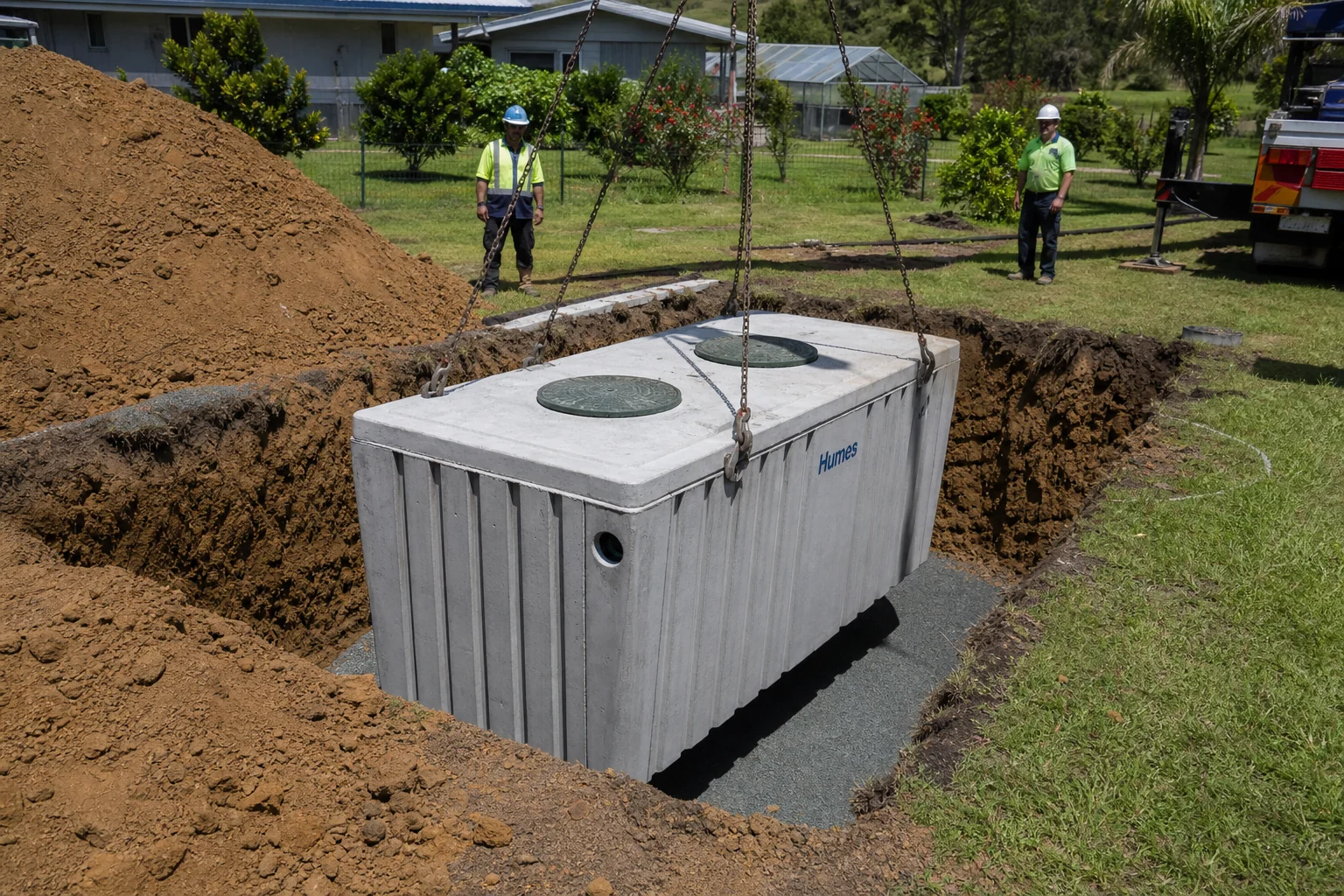
Concrete Septic Tanks: The Durable Choice
Everything you need to know about concrete septic tanks, including their 30-40 year lifespan and superior structural strength.
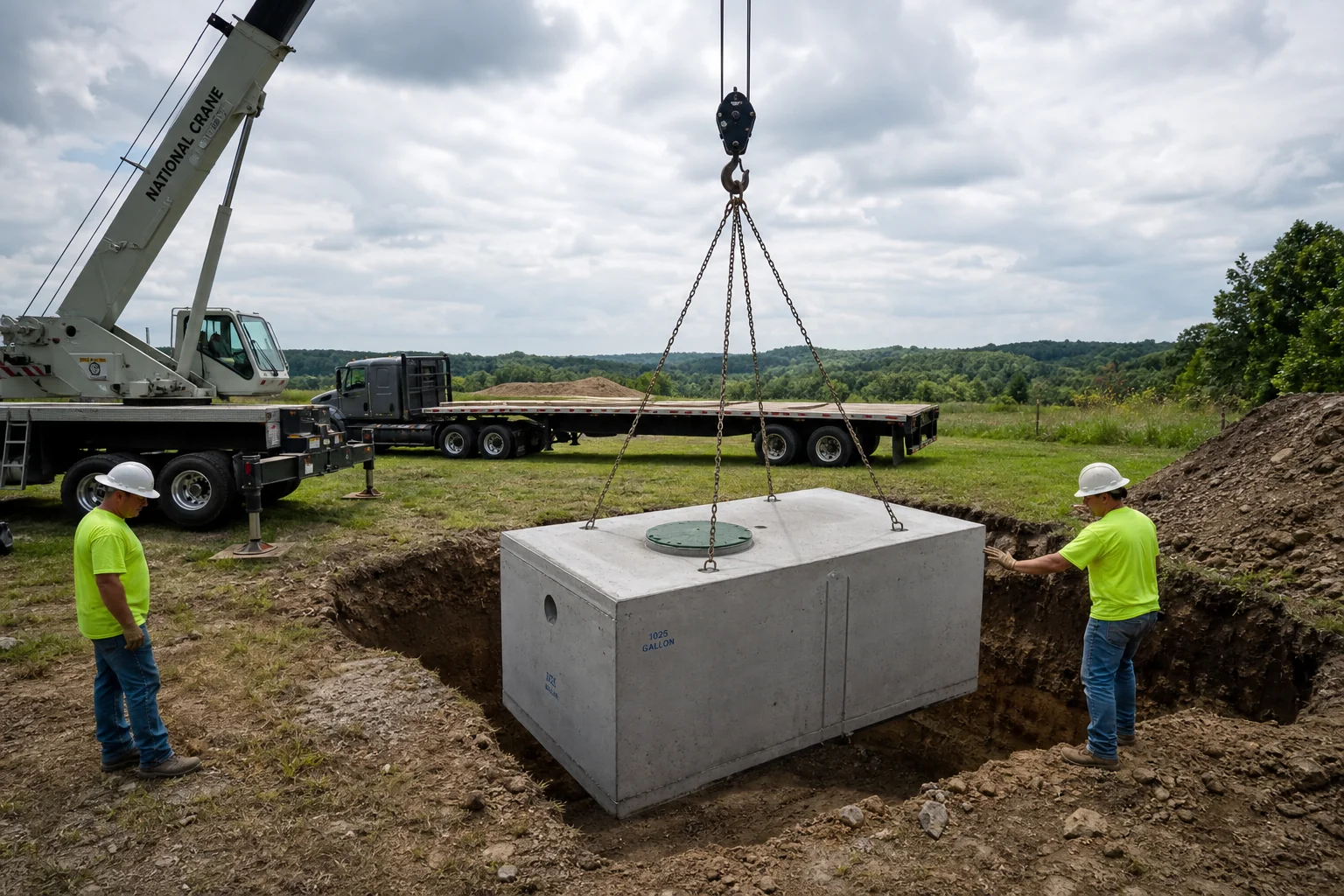
1000 Gallon Septic Tank: The Most Common Residential Size
Why the 1000 gallon capacity is the standard for single-family homes and how to calculate your specific sizing needs.
How Long Do Septic Tanks Last: Realistic Lifespan Expectations
Comparing concrete, plastic, and steel tank lifespans and the factors that affect how long your system will last.
External Resources
Frequently Asked Questions
How long do plastic poly septic tanks last?
Plastic poly septic tanks have an expected lifespan of 20 to 30 years, with many manufacturers offering 25 to 30-year warranties. The actual lifespan depends on installation quality, soil conditions, and proper maintenance practices.
What are the main advantages of plastic septic tanks?
Plastic tanks are lightweight, making them easier and less expensive to transport and install. They are completely watertight, resistant to corrosion and rust, and not susceptible to root intrusion. The smooth interior surface also promotes better flow and reduces sludge accumulation.
Can plastic septic tanks float like some other tanks?
Yes, empty plastic tanks can float in saturated soil conditions, similar to how a boat floats on water. This is called buoyancy. Proper installation with appropriate ballasting, gravel backfilling, or anchoring systems prevents floating. Installation professionals understand the techniques needed for your specific soil and water table conditions.
Are plastic septic tanks suitable for all soil conditions?
Plastic tanks perform best in stable soils with good drainage and low water tables. In areas with high water tables, heavy clay soils, or conditions with significant ground movement, additional installation precautions or alternative materials may be recommended.
How do plastic tanks compare to concrete tanks in cold climates?
Plastic tanks are resistant to cracking from freeze-thaw cycles since polyethylene expands and contracts slightly without cracking. However, proper burial depth below the frost line is required for all septic tanks in cold climates, and plastic tanks must be backfilled with material that will not hold water and freeze around the tank.
Do plastic septic tanks require special maintenance?
Plastic tanks require the same fundamental maintenance as all septic systems: regular pumping every 3 to 5 years, baffle inspection, and responsible use habits. One advantage is that plastic tanks are not susceptible to the same corrosion or root intrusion issues as concrete or steel tanks.
Written by Mike Henderson
Mike Henderson is a certified septic system inspector with over 18 years of hands-on experience in wastewater management across Florida and the southeastern United States. He holds certifications from the National Association of Wastewater Technicians and regularly consults homeowners on preventing costly septic failures. His work has been referenced by regional health departments and home inspection agencies.