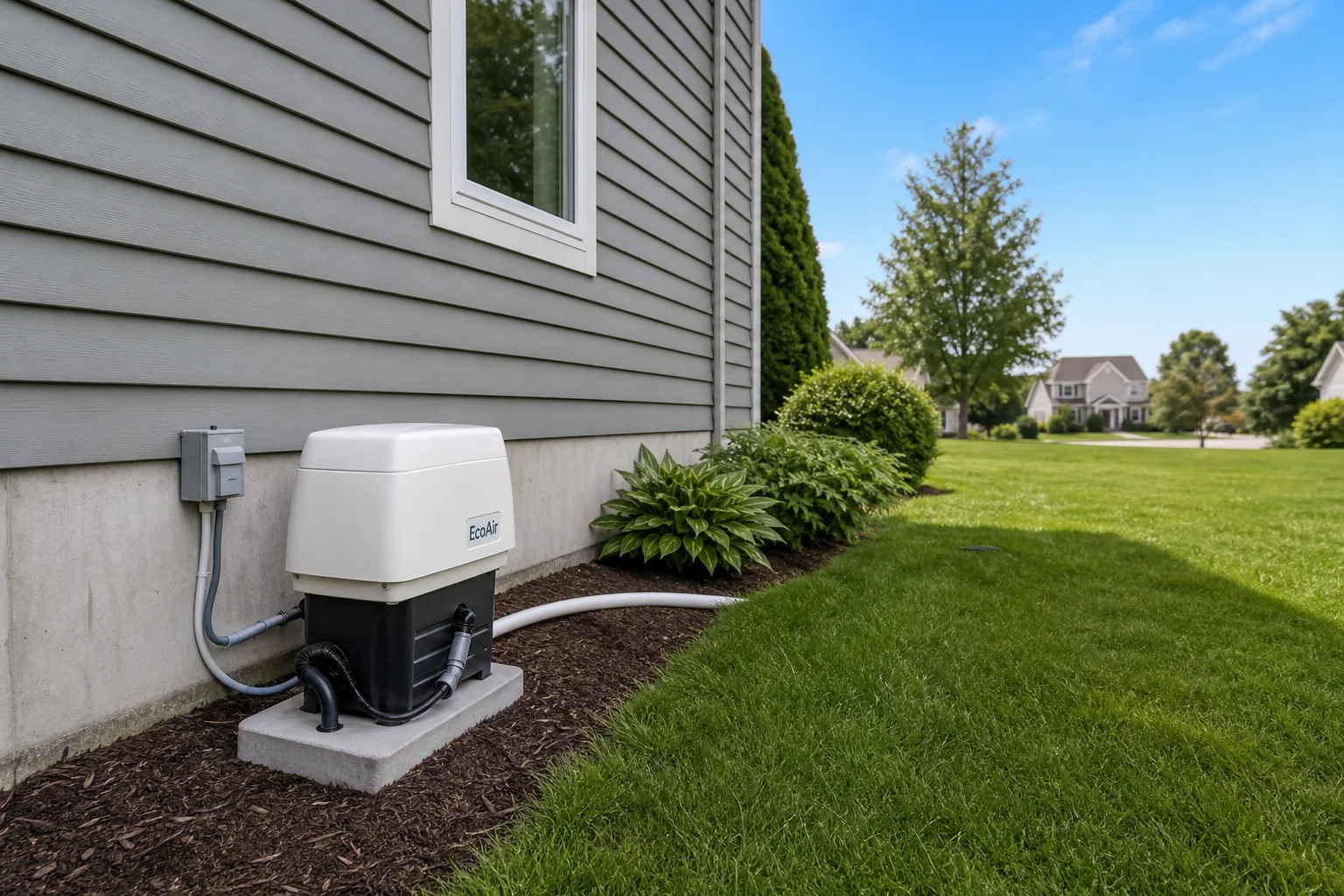
Aerobic Septic Tank Systems: Advanced Treatment for Challenging Sites
Published May 2, 2025 — by Mike Henderson, Certified Septic Inspector
Most American homes with septic systems use conventional anaerobic treatment, where bacteria that thrive without oxygen break down waste as it settles in the tank. However, properties with poor soil conditions, high water tables, small lots, or proximity to water bodies may require a different approach. Aerobic septic tank systems offer an alternative that treats waste more thoroughly and allows installation in conditions where conventional systems simply cannot function.
Homeowners Are Ditching Pumping Trucks After Seeing This
Watch this short video to discover the unusual method homeowners are using to dissolve solid waste, destroy foul odors, and keep drain fields flowing freely. No harsh chemicals. No service calls. It takes seconds and works while you sleep.
Watch the Free Video NowHow Aerobic Septic Tank Systems Work
Aerobic septic systems treat wastewater using oxygen-loving bacteria rather than the anaerobic bacteria that populate conventional tanks. The fundamental difference lies in the biological process: aerobic bacteria consume organic matter more completely and produce cleaner byproducts than their anaerobic counterparts.
The process begins similarly to conventional treatment, with primary settlement in a initial chamber where solid waste separates from liquid. However, the liquid then flows into an aeration chamber where an electric air pump forces tiny bubbles through the wastewater. This constant oxygen supply encourages robust growth of aerobic microorganisms that actively digest suspended organic matter, converting it into biomass and harmless gases.
From the aeration chamber, treated effluent flows into a clarification chamber where remaining particles settle out. The resulting liquid is substantially clearer and lower in contaminants than effluent from a conventional tank. This clearer effluent can then be discharged directly to a drain field or sometimes to surface water under a properly permitted system, depending on local regulations and the specific system design.
The aerobic environment accelerates the treatment process significantly. Where a conventional tank might require retention times of 24 to 48 hours, aerobic treatment achieves comparable or better results in a matter of hours. This efficiency translates to smaller tank requirements for equivalent capacity and better performance under variable loads.
Advantages of Aerobic Septic Tank Systems Over Conventional Systems
Aerobic systems offer meaningful advantages that make them the right choice for certain property conditions, though they also come with additional complexity and maintenance demands. Understanding these tradeoffs helps property owners and builders select the appropriate system for their specific circumstances.
The most significant advantage of aerobic treatment is the ability to install functional septic systems on properties unsuitable for conventional treatment. Poorly draining clay soils, rocky substrate, high groundwater tables, and small lot sizes that prevent adequate separation from wells or water bodies can all accommodate aerobic systems where conventional systems would fail or violate health codes.
Treated effluent from aerobic systems is substantially cleaner than conventional tank effluent. The higher level of treatment reduces the risk of drain field contamination and can extend drain field life significantly. In areas with marginal soil conditions, this improved treatment provides the margin needed to prevent system failure and costly repairs.
Drain field size requirements for aerobic systems are typically smaller than for conventional systems treating the same household load. Because the effluent entering the drain field contains far fewer suspended solids and lower biochemical oxygen demand, the soil absorption system does not work as hard. This smaller footprint can make feasible a functional septic system on a property where adequate conventional drain field space is unavailable.
Aerobic systems also perform better during periods of heavy use. Conventional tanks can become overloaded when the household exceeds average water usage for an extended period. The robust microbial population in an aeration chamber handles these surges more gracefully, maintaining treatment quality through variable loads that would challenge a conventional system.
Key Components of Aerobic Septic Tank Systems
Aerobic systems contain more mechanical components than conventional tanks, which creates both reliability considerations and maintenance requirements. Understanding these components helps owners recognize problems early and communicate effectively with service technicians.
The aerator pump or compressor is the heart of the system, continuously supplying air to the aeration chamber. These pumps run on electricity and must operate without interruption for proper treatment. Most systems include a timer that controls pump cycles, with many running continuously during daytime hours and cycling periodically at night to balance treatment efficiency with energy consumption.
Diffusers or air distribution pipes inside the aeration chamber deliver the supplied air as fine bubbles throughout the wastewater. Diffusers can become clogged with mineral deposits or biological growth over time, reducing aeration efficiency. Regular inspection and cleaning or replacement of diffusers maintains system performance.
The control panel or timer box manages pump operation, cycle timing, and often includes alarms for pump failure or high water conditions. This electronic brain requires annual inspection and occasional battery replacement. Many systems incorporate an audible alarm that activates when the aerator stops functioning, alerting homeowners to problems that might otherwise go unnoticed until treatment quality degrades.
An chlorination chamber or ultraviolet sterilizer may be included as a final treatment step before discharge, particularly for systems that discharge to surface water or spray irrigation. These disinfection components require periodic inspection and maintenance to ensure effective pathogen reduction.
The tanks themselves may consist of multiple chambers including a primary settling chamber, the aeration chamber, a clarification chamber, and possibly a disinfection chamber. This multi-chamber design occupies more space than a single-chamber conventional tank and requires professional installation with proper sealing between chambers.
Aerobic Septic Tank System Maintenance Requirements
Aerobic systems demand more attention than conventional septic tanks to maintain proper function. The mechanical components require regular inspection and service, and the treatment process itself needs periodic evaluation. Homeowners unwilling or unable to commit to this maintenance level should consider whether an aerobic system is the right choice for their property.
Professional service visits every 3 to 6 months are typically required by local health codes and manufacturer warranties. During these visits, technicians inspect the aerator operation, check dissolved oxygen levels, examine theclarifier for sludge accumulation, clean or replace filters, and test the alarm system. This regular professional attention catches developing problems before they cause system failure.
The aerator pump requires annual inspection and cleaning. Pump impellers can accumulate debris or mineral deposits that reduce efficiency. Motors can wear out or seize if operated without proper lubrication. Annual professional service maintains pump performance and extends motor life. Pump replacement costs typically range from $300 to $800 depending on the system size and pump type.
Air filters in the aeration system require quarterly inspection and replacement. Most aerobic systems have an inline air filter that traps debris before it reaches the diffusers. A clogged filter reduces airflow to the aeration chamber, decreasing treatment efficiency. Filter replacement is a simple homeowner maintenance task with filter costs typically under $20.
The aeration chamber requires pumping every 1 to 3 years depending on usage and chamber design. Unlike conventional tanks where pumping frequency is primarily a function of sludge accumulation, aerobic chambers may also accumulate biomass that does not break down fully. Professional pumping removes this accumulated material and allows inspection of the chamber interior.
Homeowners should perform visual inspections monthly, checking that the aerator is running, the alarm panel shows no alerts, and no unusual odors are present around the system. Unusual sounds from the aerator, persistent sewage odors, or visible wet areas over the drain field all warrant immediate professional investigation.
Aerobic Septic Tank System Installation and Operating Costs
Aerobic septic systems represent a larger initial investment than conventional systems, with higher ongoing operating and maintenance costs. However, for properties where conventional systems are not viable, the aerobic system cost must be weighed against the alternative of no functional septic system at all.
New aerobic system installation typically costs $8,000 to $15,000 or more depending on system size, site conditions, local permitting requirements, and whether a conventional drain field or alternative dispersal method is used. This compares to $3,000 to $7,000 for a conventional system installation in comparable conditions. The additional cost reflects the more complex equipment and specialized installation expertise required.
Annual operating costs for aerobic systems include electricity to run the aerator pump, professional maintenance contracts, and occasional parts replacement. Electricity costs typically range from $100 to $300 per year depending on pump size and local utility rates. Professional maintenance contracts run $200 to $500 annually for the required 2 to 4 service visits.
Parts replacement over the system lifespan adds to total cost of ownership. Aerator pumps last 7 to 12 years and cost $300 to $800 to replace. Diffusers require replacement every 5 to 10 years at $100 to $300 per event. Control panels may need replacement after 10 to 15 years at $200 to $500. Budgeting for these eventual replacement costs provides a complete picture of long-term aerobic system expenses.
When comparing aerobic to conventional system costs, consider that aerobic systems often enable construction on properties where conventional systems cannot be permitted. On such properties, alternatives might include expensive mound systems at $15,000 to $30,000, holding tank systems requiring regular pumping at $75 to $200 per 1000 gallons, or in some cases, simply being unable to develop the property. In these contexts, aerobic system costs represent value rather than premium pricing.
Related Articles
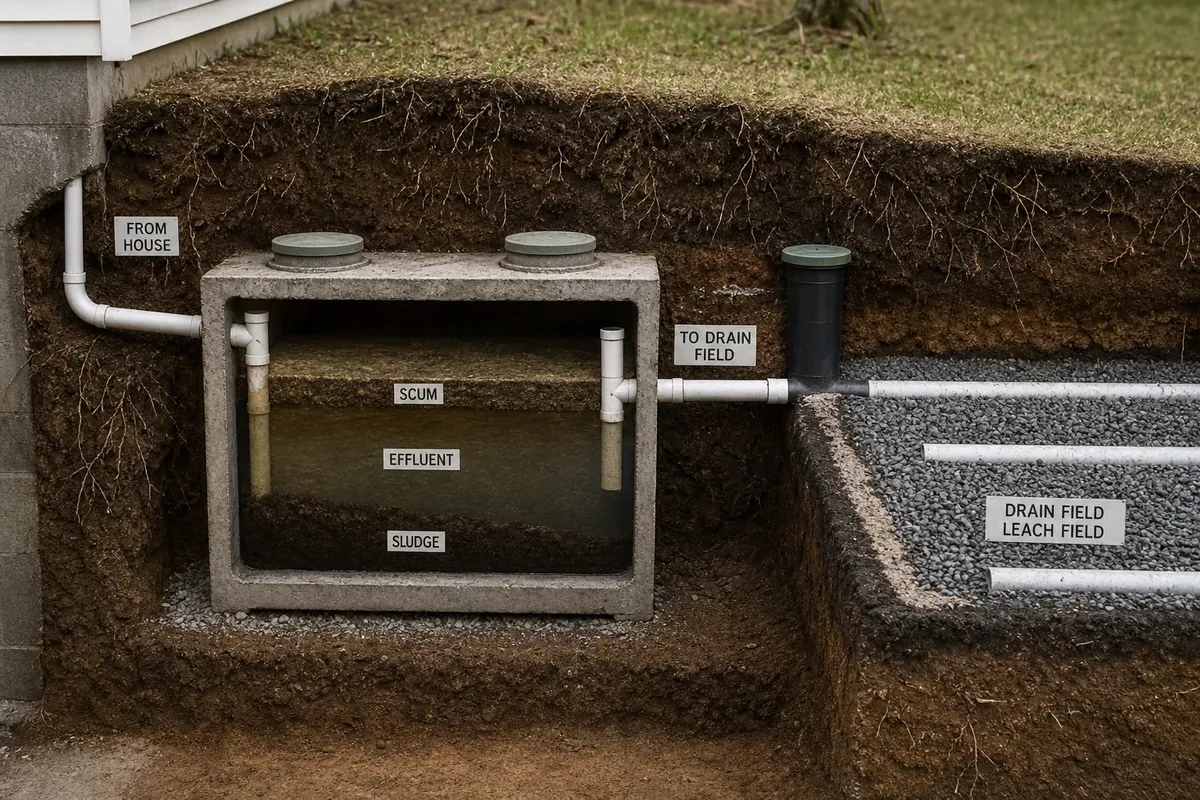
How Does a Septic Tank Work: The Complete Guide
Understand the fundamentals of conventional septic tank treatment before comparing advanced system options.
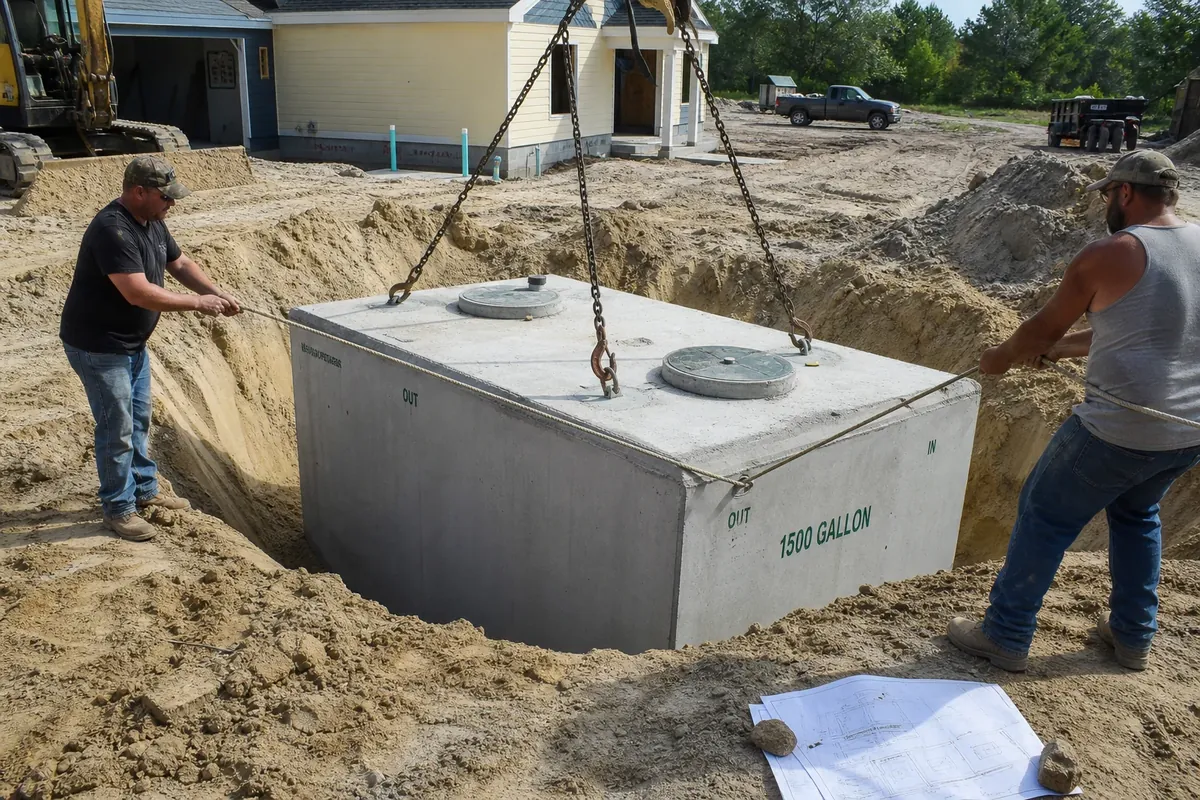
What Size Septic Tank Do I Need: Sizing Guide
Properly sizing your septic tank ensures adequate capacity whether you choose conventional or aerobic treatment.
Septic Tank Repair Costs: Full Breakdown for 2025
Common repair costs for both conventional and aerobic septic systems explained.
External Resources
Frequently Asked Questions
How does an aerobic septic tank system differ from a conventional septic system?
An aerobic septic system injects air into the tank through a compressor, promoting aerobic bacteria that break down waste more thoroughly than the anaerobic bacteria in conventional tanks. This produces clearer effluent with fewer solids, allowing discharge into a drain field without requiring as much soil treatment. Conventional systems rely solely on gravity and anaerobic bacteria settling in the tank.
What are the main advantages of an aerobic septic tank system?
Aerobic systems offer several advantages: higher treatment efficiency producing cleaner effluent, ability to function in areas with poor soil conditions or high water tables where conventional systems fail, smaller drain field requirements, and better performance during heavy usage. They also reduce the risk of drain field failure when properly maintained.
What maintenance does an aerobic septic system require?
Aerobic systems require more frequent professional maintenance than conventional systems, typically every 3 to 6 months. The aerator motor runs continuously and requires annual inspection and cleaning. The air filter needs quarterly replacement. The treatment chamber requires annual pumping. Homeowners must also test dissolved oxygen levels periodically.
How long does an aerobic septic system last?
A properly maintained aerobic septic system typically lasts 20 to 30 years for the tank itself. Mechanical components including the aerator pump, timer, and diffusers require replacement every 5 to 10 years depending on usage and brand quality. Total system lifespan depends significantly on consistent maintenance.
Written by Mike Henderson
Mike Henderson is a certified septic system inspector with over 18 years of hands-on experience in wastewater management across Florida and the southeastern United States. He holds certifications from the National Association of Wastewater Technicians and regularly consults homeowners on preventing costly septic failures. His work has been referenced by regional health departments and home inspection agencies.