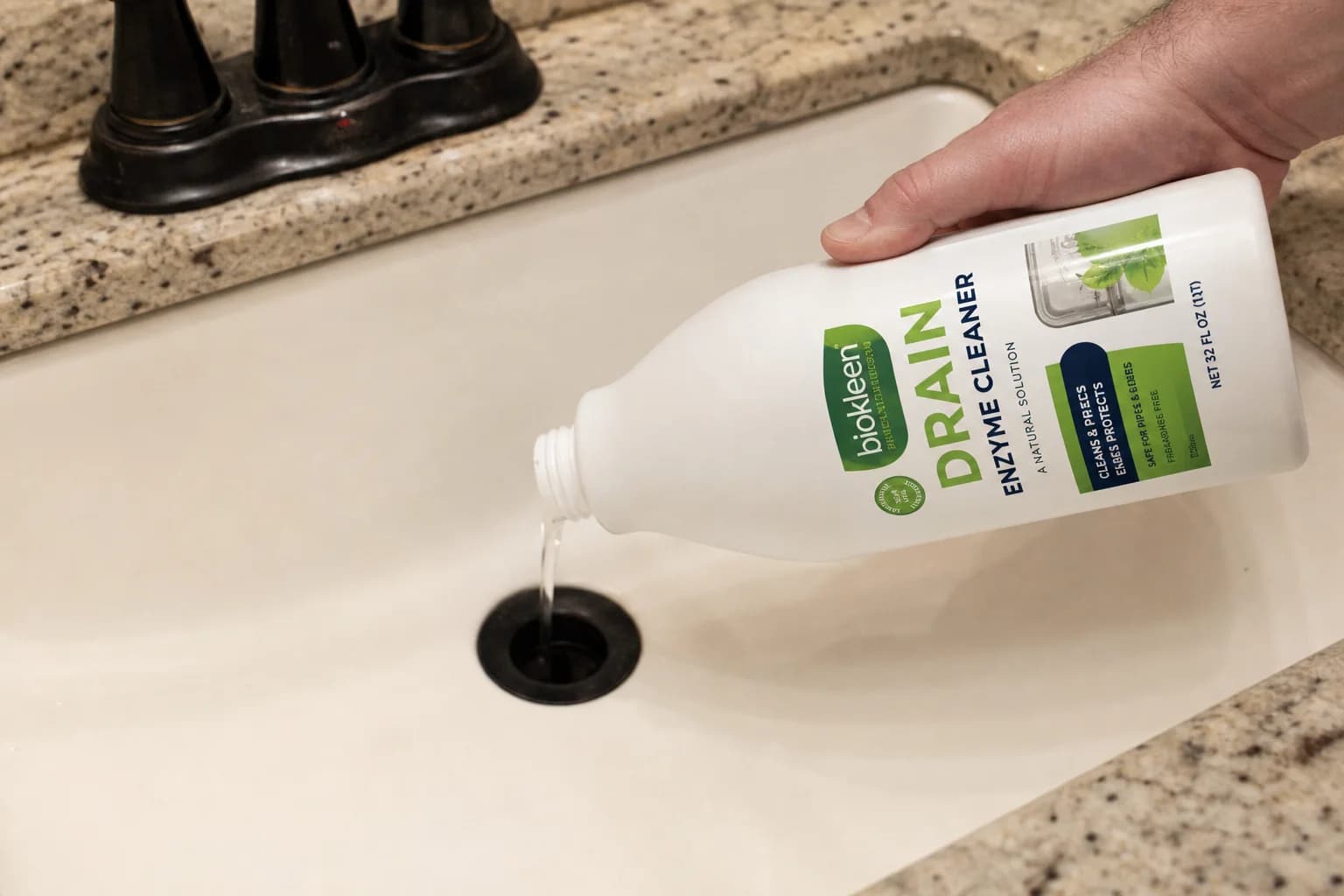
The moment you notice a slow drain in your home, reaching for a bottle of Drano feels like the fastest, easiest fix. It is a familiar routine for millions of homeowners. But if your home uses a septic system rather than a municipal sewer connection, that bottle of chemical drain cleaner represents one of the most damaging decisions you can make for your wastewater infrastructure. Understanding exactly why Drano is incompatible with septic tanks will help you protect your system, save thousands in repair costs, and keep your household drains flowing properly using methods that actually work.
The Direct Answer
No. You cannot safely use Drano or any other chemical drain cleaner in a home with a septic tank. This is not a suggestion or a preference. It is a hard biological and chemical fact. Drano is formulated to dissolve organic matter using extremely caustic chemical reactions, and that is precisely what makes it dangerous. Your septic tank depends entirely on a community of naturally occurring bacteria to break down solid waste. Drano kills those bacteria on contact. Even a single use can disrupt the delicate microbial balance inside the tank for days, and repeated use steadily degrades the system until it fails entirely.
The consequences of using chemical drain cleaners in a septic system are cumulative and often hidden until significant damage has already occurred. Homeowners who repeatedly use Drano in their septic-equipped homes typically face premature tank pumping, drain field failure, or complete system replacement. These repairs routinely cost between $3,000 and $15,000 or more depending on the extent of the damage and local permit requirements. A $10 bottle of drain cleaner is not worth that risk.
Why Drano Kills the Bacteria Your Septic Tank Needs
A healthy septic tank is essentially a bioreactor. Millions of anaerobic bacteria live inside the tank, feeding on the solid waste that flows in from your home. These microorganisms digest organic material, breaking it down into liquids and gases. The liquid effluent then flows out to the drain field where further treatment occurs. Without these bacteria, the solid waste simply accumulates at the bottom of the tank as dense, compactable sludge that never breaks down. This sludge eventually fills the tank and flows into the drain field, causing a catastrophic and expensive failure.
Drano and products like it contain a combination of sodium hydroxide, sodium nitrate, sodium hypochlorite, and aluminum particles. When these chemicals contact organic material inside your pipes, they generate an exothermic heat reaction that literally dissolves hair, soap scum, grease, and food particles. This chemical assault is indiscriminate. It does not only attack the clog. It kills every living microorganism it encounters inside the tank as well. A 2019 study published in the Journal of Environmental Management found that concentrations of chemical drain cleaner as low as 1% in septic tank effluent significantly reduced bacterial activity within 24 hours of introduction.
The bacteria in a septic tank are not optional passengers. They are the entire mechanism by which the tank functions. Killing them is equivalent to removing the engine from your car. The tank still exists, but it no longer performs its job. For more details on how bacterial health affects your entire system, read our guide to septic tank treatment options and how biological additives support long-term function.
What Happens Chemically Inside the Tank
When you pour Drano into a drain connected to a septic tank, the chemical reaction that dissolves your clog does not stop at the trap. The residual chemicals flow into the septic tank where they continue reacting with whatever they encounter. The heat generated by the sodium hydroxide and aluminum reaction can reach temperatures above 200 degrees Fahrenheit in concentrated form. Even after dilution inside the tank, this heat stress damages the tank walls over time and destroys the mesophilic bacteria that thrive in the moderate temperature environment inside a buried tank.
Sodium hypochlorite, the active ingredient in bleach, is particularly damaging to anaerobic bacteria. Research from the National Onsite Wastewater Recycling Association indicates that sodium hypochlorite concentrations commonly found in poured drain cleaner can reduce methanogenic bacteria populations by more than 90% within 48 hours. These methanogens are responsible for the final stages of waste digestion inside the tank, converting fatty acids into methane and carbon dioxide. Without them, digestion stalls and solids accumulate much faster than the tank was designed to handle.
The aluminum particles in Drano add another problem. When aluminum reacts with sodium hydroxide, it generates hydrogen gas. In an enclosed septic tank, this creates pressure that can force gases back up through the house plumbing, producing the gurgling sounds many homeowners hear after using chemical cleaners. The hydrogen gas also interferes with the anaerobic environment that the tank bacteria require to survive.
Signs Your Septic Tank Bacteria Are Suffering
If you have used chemical drain cleaners in your septic-equipped home, watch for these early warning signs that your tank bacterial colony is struggling to recover. Addressing these symptoms early gives your system the best chance of restoring healthy function without major intervention.
Slow drains throughout the house, not just in one fixture, suggest that the bacterial colony inside the tank is no longer processing waste efficiently. When bacteria die off, solid waste accumulates in the tank faster. Eventually the tank reaches capacity and simply passes undigested material into the drain field, where it creates a clog that prevents proper water absorption. If multiple drains run slowly at the same time, the problem is almost certainly in the tank or the inlet/outlet baffles rather than an individual pipe clog.
Foul odors coming from drains, toilets, or the area around the septic tank itself indicate anaerobic digestion is not completing properly. A healthy septic tank produces minimal odor because the bacterial digestion consumes most of the malodorous compounds. When bacteria die off, sulfur compounds and other foul-smelling gases escape untreated. If you notice persistent sewage smells inside or outside the home, read our guide to septic tank odor causes and solutions before the problem worsens.
Lush, unusually green patches of grass directly over the drain field or tank can indicate that untreated effluent is surfacing because the tank is overloaded with solids. The plants are responding to the excess nutrients in waste water that is not being properly treated before it reaches the soil. This is a serious symptom that often precedes full drain field failure.
Safer Alternatives That Actually Work
The good news is that you have effective alternatives to chemical drain cleaners that are completely safe for your septic system. These methods require a bit more physical effort, but they work and they protect the bacterial ecosystem your septic tank depends on.
A quality plunger remains the first line of defense for minor to moderate clogs in sink, shower, or toilet drains. The key is using a plunger with a flange that creates a proper seal, particularly for toilet clogs. Apply firm, rhythmic pressure for 20 to 30 seconds and check whether the water drains freely afterward. For double-basin kitchen sinks, block the unused drain opening with a wet rag to concentrate the plunging force on the clog.
A drain snake, also called a plumbing auger, physically breaks up or retrieves the material causing the clog. Manual snakes cost between $25 and $50 at any hardware store and last for years with proper care. Insert the snake into the drain until you feel resistance, then rotate the handle to engage the clog. The rotating coil either breaks the material apart or catches it on the auger head for removal. This method works for hair clogs, soap buildup, and small food particles that plunger action cannot dislodge.
Biological enzyme cleaners represent the septic-safe solution for ongoing drain maintenance and for addressing slow drains caused by organic buildup. Unlike chemical cleaners, enzyme products introduce more bacteria into your system, supporting the natural digestive process. Browse our septic safe products guide for specific recommendations on enzyme-based cleaners that professional inspectors trust.
A baking soda and vinegar treatment provides a mild chemical-free option for routine drain cleaning. Pour half a cup of baking soda directly into the drain, followed by half a cup of white vinegar. Cover the drain and allow the mixture to fizz and work for 30 minutes. Flush thoroughly with a pot of very hot water. This combination helps dissolve mild buildup without killing the bacterial colony in your tank. Repeat monthly as preventive maintenance for best results.
When to Call a Plumber Instead of Using Drain Cleaner
Some drain clogs are too serious for plungers, snakes, or enzyme cleaners. Calling a licensed plumber for these situations protects your septic system from further damage and prevents the problem from becoming a genuine emergency.
Call a plumber when multiple drains in the house are completely blocked at the same time. This pattern indicates a main line clog or a septic tank that has reached full capacity, both of which require professional equipment and expertise. A plumber can camera-inspect the main line to determine exactly where the blockage is located and what material is causing it. If the tank itself is full, a professional pumping service like the ones covered in our septic tank pumping cost guide will be necessary.
If you hear gurgling sounds from drains when water runs elsewhere in the house, or if toilets bubble when washing machines drain, the problem involves the vent stack or the main drain line. These are not situations where chemical cleaners will help and using them will only delay proper diagnosis. A plumber has the equipment to clear blocked vents and main line obstructions without introducing anything harmful into your septic system.
Any sewage backing up into the home constitutes a genuine emergency that requires immediate professional intervention. This symptom means the septic tank is completely full and wastewater has nowhere to go except back into the house. Continuing to use chemical cleaners in this situation is catastrophic for both your plumbing and your health. Evacuate the affected area, avoid using any water in the home, and contact a 24-hour septic service immediately.
How to Maintain Drains Safely With a Septic Tank
Preventing clogs in the first place is far easier and less expensive than dealing with serious blockages. A few consistent habits keep your household drains flowing smoothly without ever introducing a drop of chemical cleaner into your septic system.
Never pour grease, fat, or cooking oil down any drain in a septic-equipped home. These substances congeal as they cool, coating the inside of your pipes and eventually creating stubborn blockages that no amount of plunging or snaking easily removes. Pour used cooking oil into a disposable container, allow it to solidify in the refrigerator, and dispose of it in the regular trash. This single habit prevents the majority of kitchen drain clogs.
Use a drain strainer in kitchen sinks and shower drains to catch food particles, hair, and other debris before they enter the drain line. Clean the strainer regularly and dispose of collected material in the trash rather than rinsing it down the drain. In bathrooms, brush hair from shower drains weekly and dispose of it in the trash to prevent hair accumulation in the p-trap and branch lines.
Schedule a professional septic tank cleaning at appropriate intervals based on tank size and household usage. Most residential tanks require pumping every 2 to 3 years, though tanks larger than 1000 gallons or homes with high water usage may go longer. Regular pumping removes accumulated solids before they reach the point where they overwhelm the bacterial community and damage the drain field. Consult our guide to how often a septic tank should be pumped for personalized recommendations based on your household.
Add a monthly biological enzyme treatment to your maintenance routine. These products, available at most hardware stores and through our recommended products list, introduce additional bacteria into your tank that accelerate the digestion of solid waste. They are particularly helpful after periods of heavy use, following accidental chemical exposure, or in households that generate more organic waste than average.
Flush only septic-safe products down toilets and drains. Paper towels, feminine hygiene products, cotton swabs, dental floss, and cat litter do not break down the way toilet paper does and can rapidly accumulate in your tank. Even products marketed as flushable, including many wet wipes and disposable mop heads, create serious clogging problems in septic systems. Stick to toilet paper that dissolves quickly and you will avoid a category of entirely preventable septic problems.
Related Articles
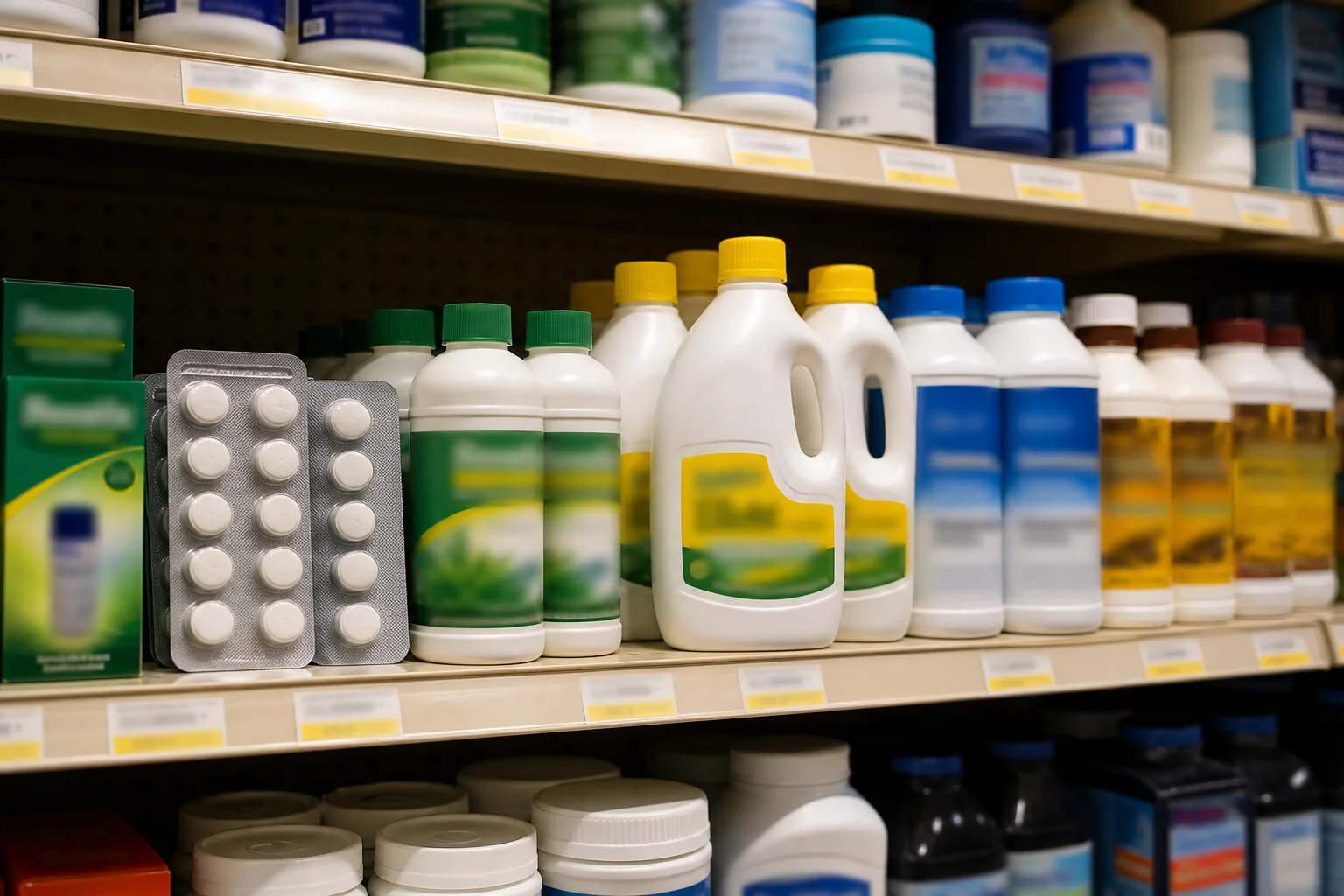
What Is the Best Septic Tank Treatment: Expert Reviews
Bacteria additives vs enzyme treatments vs chemical products compared by professional field inspectors. Save money by choosing the right product.
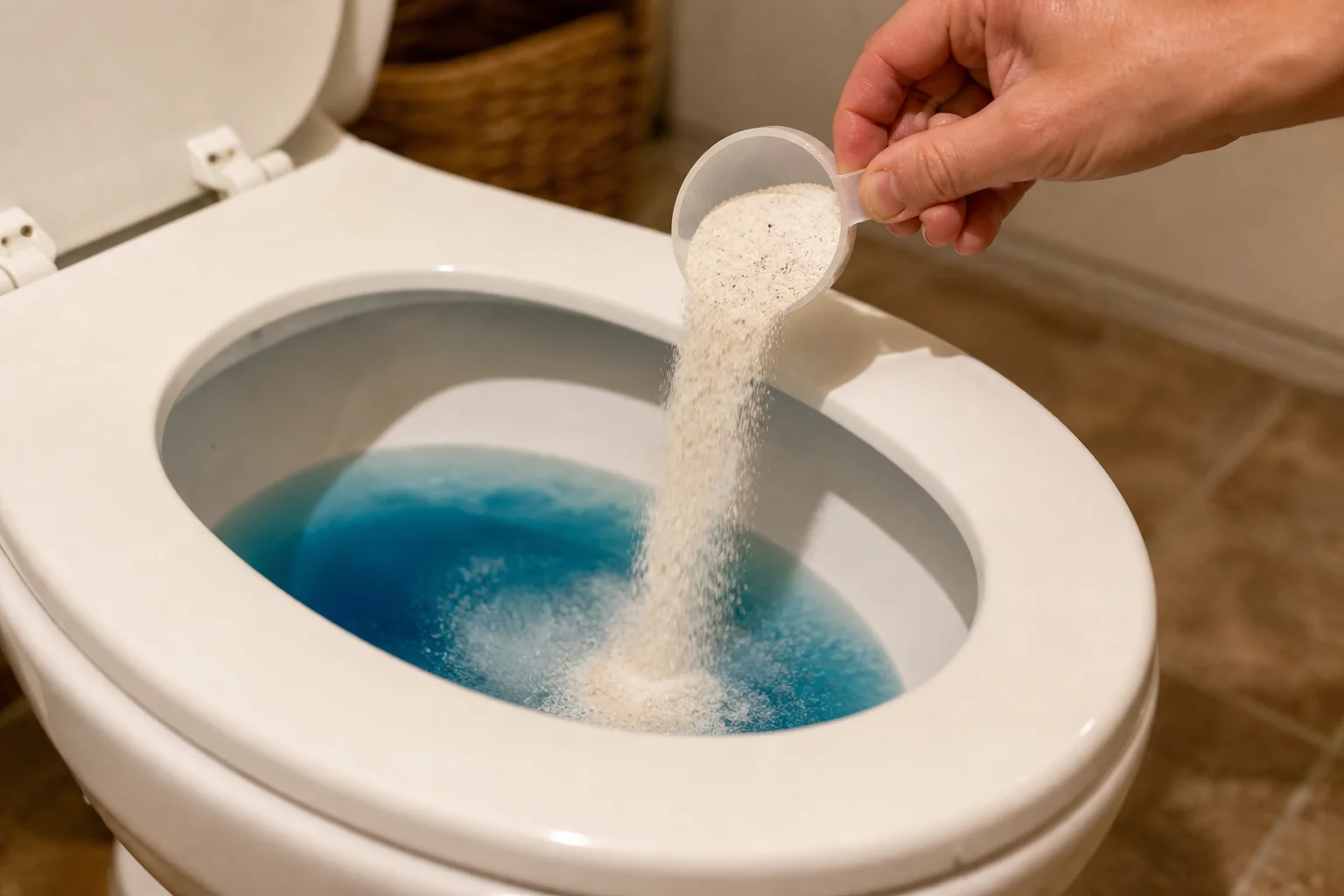
What Is the Best Septic Tank Additive: Bacteria vs Enzymes
Compare bacteria additives, enzyme products, and chemical treatments. Expert recommendations based on field performance data.
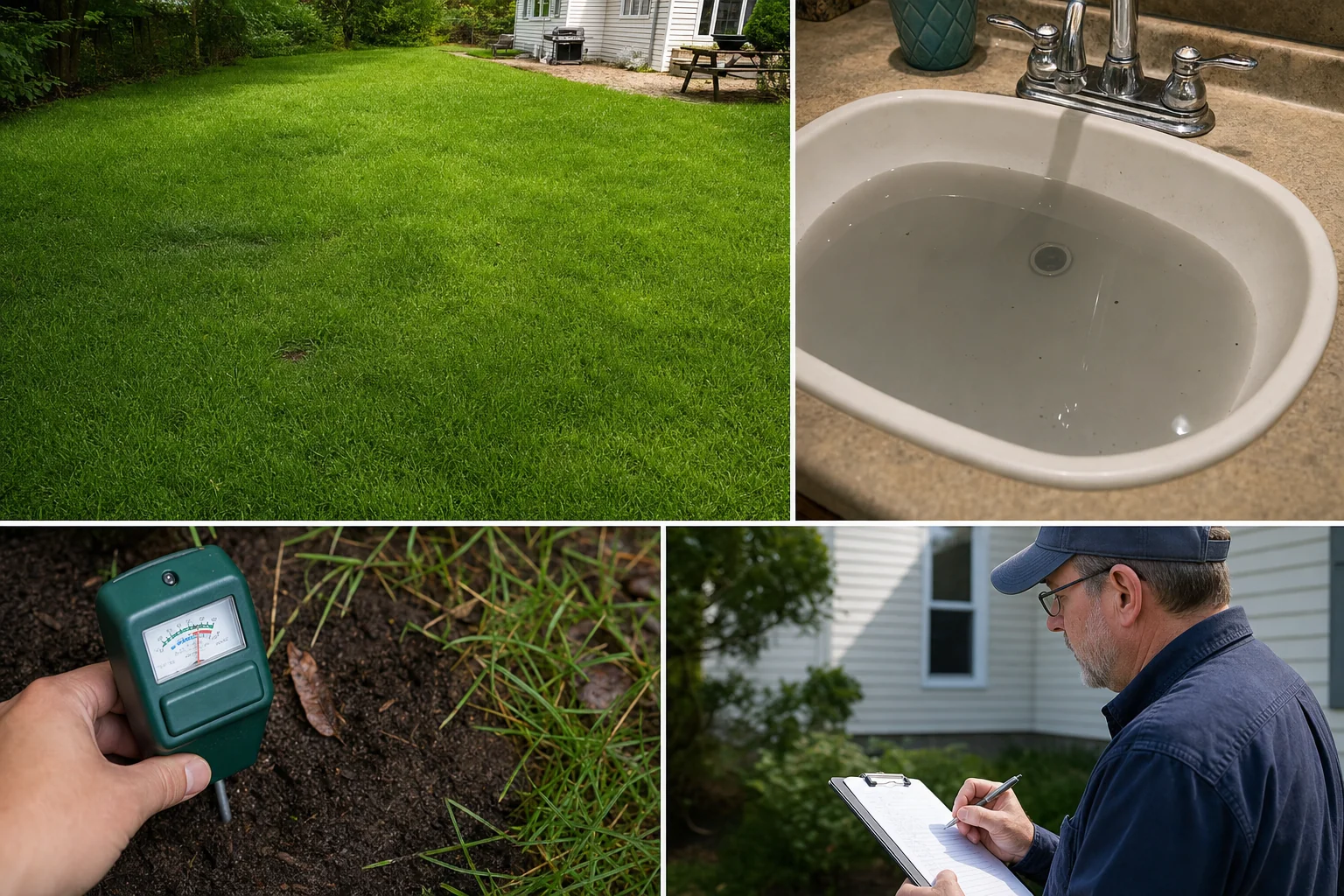
Signs Your Septic Tank Needs Pumping: Warning Flags Homeowners Miss
From slow drains to lush grass to sewage backup. The complete visual and physical symptom guide that prevents costly emergencies.
Frequently Asked Questions
Can you use Drano in a house with a septic tank?
No. Drano and similar chemical drain cleaners should never be used in homes with septic systems. The harsh chemicals kill the beneficial bacteria that break down waste inside the tank, which can lead to system failure over time.
What does Drano do to a septic tank?
Drano contains sodium hydroxide, sodium nitrate, and sodium hypochlorite, which are designed to dissolve clogs using extreme chemical reactions. These same chemicals destroy the anaerobic bacteria living in your septic tank that process solid waste. Without these bacteria, solids accumulate faster, the tank fills prematurely, and the drain field becomes clogged with undigested particles.
What is the safest drain cleaner for septic systems?
The safest drain cleaners for septic systems are biological enzyme products and manual drain cleaning tools. Enzyme-based cleaners like those covered in our septic tank treatment guide contain live bacteria that digest organic waste without harming the microbial colony in your tank. A plunger or drain snake physically removes clogs without introducing any chemicals into the system.
How do I unclog a drain without using Drano when I have a septic tank?
Start with a plunger to dislodge the clog mechanically. If that fails, use a drain snake or auger to break through or pull out the blockage. For slow drains caused by organic buildup, pour a cup of baking soda followed by a cup of white vinegar, let it sit for 30 minutes, and flush with hot water. Enzyme-based drain cleaners used monthly prevent future buildup safely.
How long does it take for Drano to damage a septic tank?
The bacterial damage from a single Drano treatment can disrupt your septic tank for days to weeks. Repeated use causes permanent harm by steadily reducing the bacterial population that your system needs to function. Over months or years of regular use, you will see increasing symptoms including slow drains, foul odors, and ultimately a completely failed system requiring expensive repairs or full replacement.
When should I call a plumber instead of using drain cleaner with a septic tank?
Call a licensed plumber if drains are completely blocked, multiple fixtures are affected simultaneously, you hear gurgling sounds from pipes, or sewage is backing up into the home. These signs indicate a serious clog in the main line or a problem with the septic tank itself that chemical cleaners cannot resolve and will only make worse.
Written by Mike Henderson
Mike Henderson is a certified septic system inspector with over 18 years of hands-on experience in wastewater management across Florida and the southeastern United States. He holds certifications from the National Association of Wastewater Technicians and regularly consults homeowners on preventing costly septic failures. His work has been referenced by regional health departments and home inspection agencies.